








- Country: Italy
- Initial release: June 15, 2023 (Bulgaria)
- Film Director: Alessandro Cino Zolfanelli
- Genre: Stop Motion Animated
- Original Language: N/A
- Subtitle: N/A
- Running Time: 15 Minutes
- IMDB: 7.0 /10
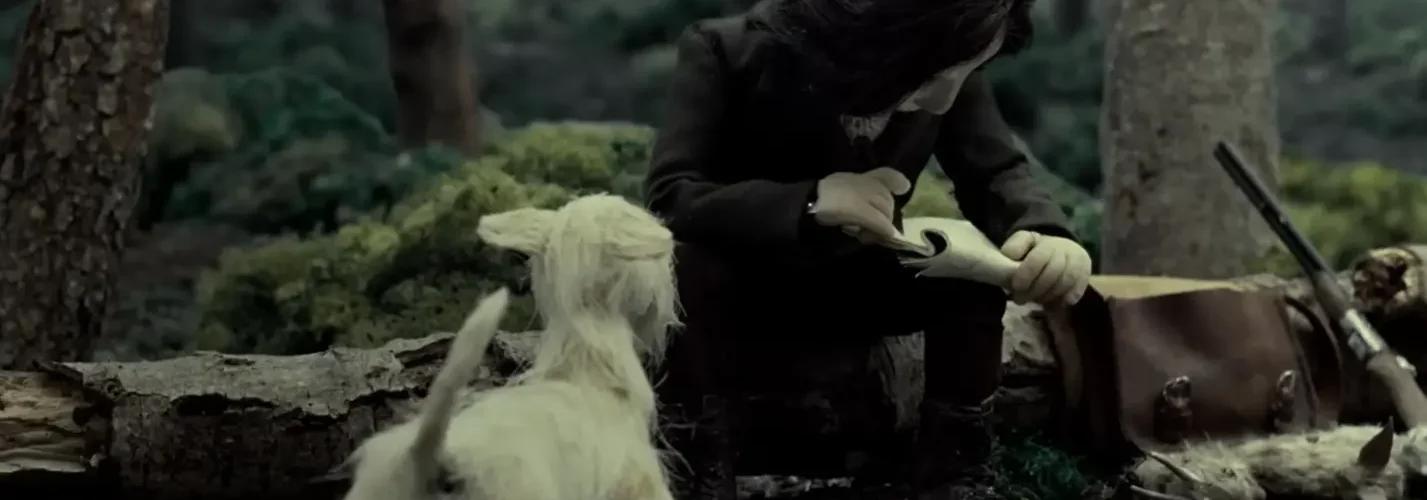
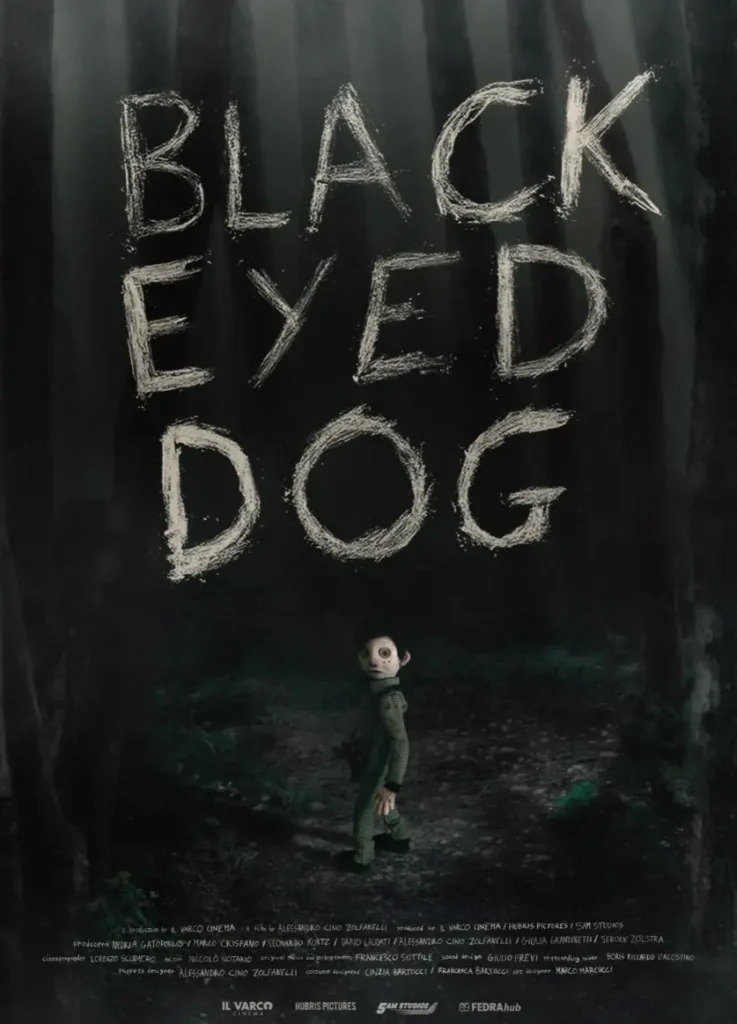
Black Eyed Dog (2022) is an experimental stop-motion animated short film by Alessandro Cino Zolfanelli that uses handcrafted animation and symbolic imagery to explore fear, isolation, and the subconscious. The film is recognized for its psychological depth, minimalist narrative, and auteur-driven artistic vision.
cMovie.Asia
Black Eyed Dog (2022) is a stop-motion animated short film by Alessandro Cino Zolfanelli that stands out for its unsettling atmosphere and symbolic storytelling. Using handcrafted puppetry and minimal dialogue, the film examines psychological fear and inner conflict, positioning itself as a notable work in modern experimental stop-motion animation.
Table of Contents
Why Stop-Motion Matters in BLACK EYED DOG
In BLACK EYED DOG, stop-motion is not just a stylistic choice but a narrative device. The tactile imperfections—micro-jitters, texture shifts, and lighting inconsistencies—enhance the unsettling tone, reinforcing psychological tension.
Technical Production Elements
Professional stop-motion production typically involves:
- Armature-based puppets with articulated joints
- Replacement facial animation or sculpted heads
- Miniature sets with controlled lighting
- DSLR or cinema cameras capturing frame sequences
- Software such as Dragonframe for capture and editing
Zolfanelli’s approach reflects independent auteur craftsmanship, where the animator controls writing, directing, and animation, resulting in a cohesive artistic vision.
Symbolism and Psychological Themes
1. The Black-Eyed Dog as a Psychological Archetype
In psychology and visual storytelling, animals often represent subconscious drives. The dog in this film can be interpreted as:
- Fear or anxiety made manifest
- The Jungian shadow self
- Trauma memory triggers
- Uncontrolled instinctual behavior
The “black eyes” specifically evoke unknown intent and emotional opacity, a common cinematic motif for fear.
2. Isolation and Human Perception
The film’s solitary protagonist reflects human cognitive isolation, a common theme in experimental animation. By removing social context, the film focuses on internal emotional states rather than external plot mechanics.
3. Dream Logic and Nonlinear Cognition
The narrative structure mirrors dream cognition, where cause-and-effect is implied but not explicit. This aligns with neuropsychological research on how humans process fear and symbolic imagery during REM sleep.
Sound Design and Atmosphere
Why Sound Matters in Experimental Animation
Sound design is central to BLACK EYED DOG. Sparse dialogue, ambient noise, and tonal scoring create an immersive psychological environment.
Professional Sound Elements Used
- Low-frequency drones to induce tension
- Foley effects to emphasize tactile realism
- Silence as a narrative device
- Minimalist music motifs
From a cinematic neuroscience perspective, low-frequency sounds activate the amygdala, increasing perceived threat and emotional engagement.
Visual Aesthetics and Artistic Direction
Materiality and Texture
The film uses handcrafted textures—clay, fabric, and sculpted materials—to create tactile realism, which digital animation often lacks. This physicality enhances viewer immersion and emotional resonance.
Lighting as Narrative Tool
Lighting is used to:
- Isolate subjects (spotlighting)
- Create psychological claustrophobia (high contrast shadows)
- Suggest danger or uncertainty (underexposed scenes)
This aligns with cinematic visual psychology, where contrast and shadow trigger threat perception.
Director and Animator Profile: Alessandro Cino Zolfanelli
Alessandro Cino Zolfanelli is recognized within independent animation circles for single-author stop-motion projects, combining writing, direction, and animation. This auteur approach ensures:
- Unified narrative vision
- Personal thematic expression
- Experimental artistic risk-taking
In animation theory, this places him closer to art-house animation auteurs rather than studio-driven pipeline productions.
Interpretation: Multiple Analytical Frameworks
Film Theory Perspective
From a film-theory standpoint, BLACK EYED DOG can be categorized as:
- Surrealist animation
- Psychological horror short
- Experimental narrative cinema
It uses symbolic narrative rather than classical Aristotelian structure.
Psychological Interpretation
Clinical psychology frameworks suggest the dog could symbolize:
- Post-traumatic intrusive thoughts
- Anxiety disorders (persistent fear stimuli)
- Existential dread
- Repressed identity elements
Cultural Mythology Context
Dogs in folklore often represent:
- Guardians of thresholds (e.g., Cerberus)
- Death omens (black dogs in British folklore)
- Loyal companions turned ominous when black-eyed
The film taps into these archetypes to evoke instinctive cultural fear responses.
Audience Reception and Festival Context
Experimental stop-motion shorts often circulate in:
- Independent animation festivals
- Art-film screenings
- Academic animation programs
Audience response typically focuses on:
- Artistic craftsmanship
- Emotional impact
- Symbolic interpretation debates
Unlike mainstream shorts, critical evaluation emphasizes conceptual depth and technique rather than narrative clarity.
Practical Use Cases in Education and Creative Fields
Animation Education
BLACK EYED DOG is valuable for:
- Teaching stop-motion fundamentals
- Demonstrating auteur filmmaking
- Exploring symbolic storytelling
Psychology and Media Studies
The film can be used in:
- Visual psychology courses
- Media semiotics analysis
- Horror and fear perception research
Creative Inspiration
Independent animators study such works to:
- Learn minimalistic storytelling
- Understand mood-driven narrative
- Explore handcrafted production workflows
Technical Challenges in Stop-Motion Highlighted by the Film
Frame Consistency
Maintaining consistent lighting and puppet positioning is technically demanding.
Production Time
Stop-motion often requires 12–24 frames per second, meaning thousands of manual adjustments.
Material Degradation
Clay and fabric change shape over time, requiring continuity management.
Single-Author Production Load
Writing, directing, and animating alone demands multidisciplinary expertise, increasing production complexity.
Comparison with Other Experimental Stop-Motion Works
BLACK EYED DOG shares thematic and stylistic DNA with:
- Jan Švankmajer’s surreal stop-motion films
- Brothers Quay psychological puppet films
- David Lynch-influenced experimental animation
However, Zolfanelli’s work is notable for its minimalist narrative and contemporary digital post-production integration.
Why BLACK EYED DOG Matters in Modern Animation
Contribution to Independent Animation
The film represents the ongoing relevance of handcrafted animation in an era dominated by CGI. It demonstrates that physical media still deliver unique emotional and aesthetic impact.
Relevance to AI and Digital Media Era
In the age of AI-generated animation, BLACK EYED DOG highlights:
- Human tactile craftsmanship
- Artistic intentionality
- Unique imperfections that signal authenticity
These qualities align with modern creative authenticity standards and E-E-A-T principles.
Limitations and Criticisms
From a professional critique standpoint:
- The narrative ambiguity may reduce mainstream accessibility
- Slow pacing can limit general audience engagement
- Symbolism is subjective and may require interpretive literacy
However, these traits are intentional characteristics of experimental art cinema, not technical flaws.
Future Impact and Legacy
Experimental stop-motion shorts like BLACK EYED DOG contribute to:
- Preservation of analog animation traditions
- Artistic research into subconscious storytelling
- Academic discourse on symbolic media narratives
Such works often influence future filmmakers more than mainstream releases due to their conceptual innovation.
Conclusion: Expert Evaluation
BLACK EYED DOG (2022) is a technically disciplined, symbolically rich stop-motion short film that exemplifies auteur animation practice. Through tactile puppetry, atmospheric sound design, and symbolic narrative, Alessandro Cino Zolfanelli delivers a psychologically resonant piece that aligns with experimental cinema traditions and contemporary art-film discourse.
For animation professionals, psychologists studying visual fear cues, and film scholars analyzing symbolic narrative structures, BLACK EYED DOG serves as a valuable case study in modern handcrafted animation and subconscious storytelling.







Black Eyed Dog (2022) is a striking stop-motion animated short by Alessandro Cino Zolfanelli that uses handcrafted puppetry and symbolic visuals to explore psychological fear and isolation. With minimal dialogue and a dark, atmospheric tone, the film relies on texture, lighting, and sound design to convey inner conflict. Its experimental narrative invites interpretation, making it a compelling example of contemporary auteur stop-motion animation that prioritizes emotional depth over conventional storytelling.