








- Country: United States
- Initial release: 2025 (United States)
- Film Director: Nina Podlesnyak
- Running Time: 10 Minutes
- IMDB Grade: N/A
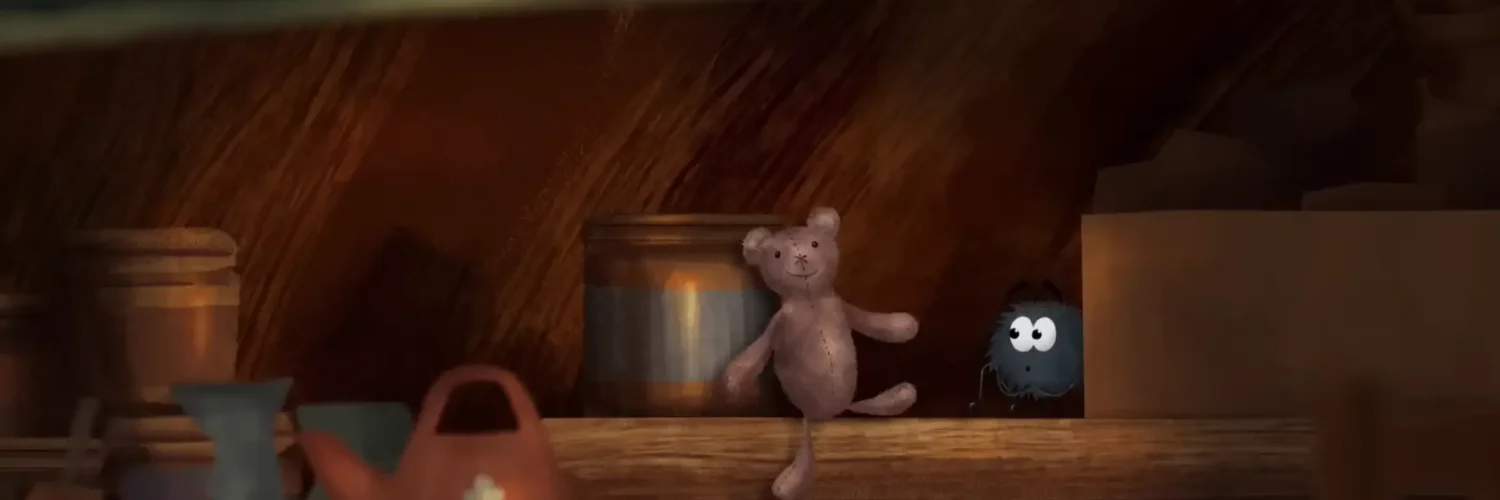
Foundling (2025) is a hand-crafted animated short film by Nina Podlesnyak that explores solitude, emotional resistance, and unexpected connection. Through expressive animation and visual storytelling, the film delivers a powerful, deeply human message about growth and companionship in under ten minutes.
cMovie.Asia
Foundling (2025) is a deeply human animated short film that captures how unexpected connection can quietly transform a life built on solitude. Directed by Nina Podlesnyak, this emotionally resonant indie animation uses simple characters and visual storytelling to explore loneliness, vulnerability, and the courage required to embrace change.
In an era where animated storytelling often leans toward spectacle, Foundling (2025) by Nina Podlesnyak stands apart through restraint, emotional clarity, and narrative sincerity. This short animated film, modest in runtime but expansive in meaning, explores one of the most universal human experiences: the disruption of comfort by unexpected connection.
Table of Contents

At first glance, Foundling appears deceptively simple. A hedgehog lives a quiet life. A baby spider arrives uninvited. Chaos follows. Yet within this minimalist premise lies a layered meditation on solitude, emotional resistance, chosen family, and personal growth. Podlesnyak’s film demonstrates how animation, when stripped of excess, can communicate emotional truth with remarkable precision.
This review examines Foundling as both a cinematic work and a cultural artifact of contemporary independent animation, analyzing its storytelling, visual language, themes, and emotional impact.
Plot Overview: When Peace Is Interrupted
The story follows Yens, a hedgehog who lives in carefully cultivated solitude. His daily routines are calm, structured, and undisturbed. Every action reinforces his preference for order and predictability. This equilibrium is shattered when Spinny, a baby spider, unexpectedly enters his life.
Spinny is loud where Yens is quiet, impulsive where Yens is deliberate. The spider’s presence disrupts Yens’ home, his habits, and his sense of control. Initially, Yens reacts with frustration and avoidance, viewing Spinny not as a companion but as an intrusion.
As the narrative unfolds, the film traces Yens’ internal struggle: whether to protect his solitude at all costs or confront the emotional vulnerability that comes with caring for another being. The conflict is not external but psychological — a quiet battle between resistance and acceptance.
Narrative Strength: Simplicity as Storytelling Power
One of Foundling’s greatest strengths lies in its narrative economy. There is no exposition-heavy dialogue, no forced emotional beats, and no unnecessary subplots. Instead, Podlesnyak allows the story to breathe through visual pacing, physical movement, and emotional contrast.
The absence of spoken dialogue is particularly effective. It forces the audience to engage with the characters on a purely emotional and observational level. This approach not only broadens accessibility across languages and cultures but also reinforces the universality of the film’s themes.
The emotional arc feels organic. Yens does not transform suddenly; his change is gradual, reluctant, and deeply human. This realism elevates Foundling beyond a simple moral tale into something more reflective and mature.
Character Analysis: Two Souls, One Emotional Journey
Yens: The Fear of Disruption
Yens is not portrayed as cold or cruel — he is cautious. His attachment to solitude is not born of selfishness but of fear. Change threatens the fragile balance he has built, and Spinny represents everything unpredictable about emotional connection.
This makes Yens an unusually relatable protagonist. His discomfort mirrors real-world emotional defenses: the walls people build to protect themselves from loss, responsibility, or vulnerability.
Spinny: Innocence as Catalyst
Spinny, by contrast, embodies curiosity, trust, and emotional openness. The spider does not seek to disrupt; it simply exists. Spinny’s innocence becomes the catalyst for Yens’ growth, not through force, but through persistence and presence.
Importantly, Spinny is not idealized as flawless. The spider’s energy is overwhelming, occasionally destructive, and undeniably inconvenient — reinforcing the film’s message that meaningful connection is rarely tidy or easy.
Visual Style: Emotion Through Design
Visually, Foundling employs a handcrafted 2D animation style that emphasizes warmth and intimacy over technical spectacle. The character designs are simple but expressive, using body language and facial movement to communicate emotional states.
Color palettes shift subtly throughout the film, reflecting Yens’ emotional progression. Early scenes lean toward muted tones and controlled compositions, reinforcing isolation. As the narrative progresses, warmth and visual softness increase, mirroring emotional openness.
Backgrounds remain intentionally uncluttered, directing focus toward character interaction. This visual restraint strengthens emotional clarity and reinforces the film’s meditative tone.
Sound Design and Music: The Unspoken Language
Without dialogue, sound design becomes a primary storytelling tool. Ambient noises — rustling leaves, soft footsteps, gentle rain — establish atmosphere and emotional grounding.
The musical score functions as emotional punctuation rather than narrative instruction. It supports mood shifts without dictating how the viewer should feel. Silence is used strategically, allowing emotional moments to resonate without distraction.
This careful balance between sound and silence demonstrates an advanced understanding of cinematic rhythm, especially within the short film format.
Themes: Why Foundling Resonates

Solitude vs. Connection
At its core, Foundling interrogates the idea that peace and isolation are synonymous. Yens believes solitude protects him, yet the film gently questions whether this protection is worth the emotional cost.
Spinny’s arrival reveals that connection, while disruptive, can also be transformative. The film does not romanticize dependency or sacrifice but suggests that emotional growth often requires discomfort.
Chosen Responsibility
Unlike traditional adoption narratives, Foundling emphasizes choice. Yens is not obligated to care for Spinny — he chooses to. This decision gives the film emotional authenticity and avoids sentimentality.
Emotional Maturity
Rather than framing growth as heroic or dramatic, the film portrays it as quiet acceptance. Emotional maturity is shown not through grand gestures but through everyday acts of patience, care, and openness.
Cultural and Artistic Context
Foundling belongs to a growing movement of independent animated shorts that prioritize emotional storytelling over commercial formula. Its themes align with contemporary conversations around loneliness, mental health, and emotional vulnerability — particularly relevant in a post-pandemic cultural landscape.
The film also demonstrates how animation continues to evolve as a medium for adult emotional narratives, not just children’s entertainment.
Why Foundling Stands Out Among Short Films
Many short films struggle with pacing, either rushing emotional beats or overstaying their welcome. Foundling achieves rare balance. Every frame serves the story. Every emotional shift feels earned.
Its restraint is its strength. By trusting the audience to engage emotionally without explanation, Podlesnyak crafts a film that respects viewer intelligence and emotional intuition.
Final Verdict: A Small Film With Lasting Emotional Weight
Foundling (2025) is a masterclass in subtle storytelling. Through minimal dialogue, expressive animation, and emotional honesty, Nina Podlesnyak delivers a short film that lingers long after it ends.
This is not a film that demands attention — it invites it. And in doing so, it rewards viewers with a quiet, deeply human experience that speaks to the beauty of unexpected connection.
Who Should Watch Foundling
• Fans of independent animation
• Viewers who value emotional storytelling
• Audiences seeking reflective, character-driven narratives
Rating: ★★★★½ / 5
Recommendation: Highly recommended for those who appreciate meaningful short films with emotional depth.






Foundling (2025) is a deeply human animated short film by Nina Podlesnyak that proves how powerful simple storytelling can be. Centered on Yens, a hedgehog who treasures solitude, the film introduces emotional tension through the arrival of Spinny, a baby spider who disrupts his carefully ordered life.
What makes Foundling stand out is its restraint. With no reliance on dialogue, the film uses expressive 2D animation, thoughtful pacing, and subtle sound design to explore themes of loneliness, emotional resistance, and unexpected connection. The contrast between Yens’ quiet routine and Spinny’s chaotic innocence creates a natural, relatable emotional arc that feels earned rather than forced.
Visually warm and emotionally precise, Foundling captures how growth often begins with discomfort. In under ten minutes, it delivers a resonant message about choosing connection over isolation without sentimentality or explanation.