








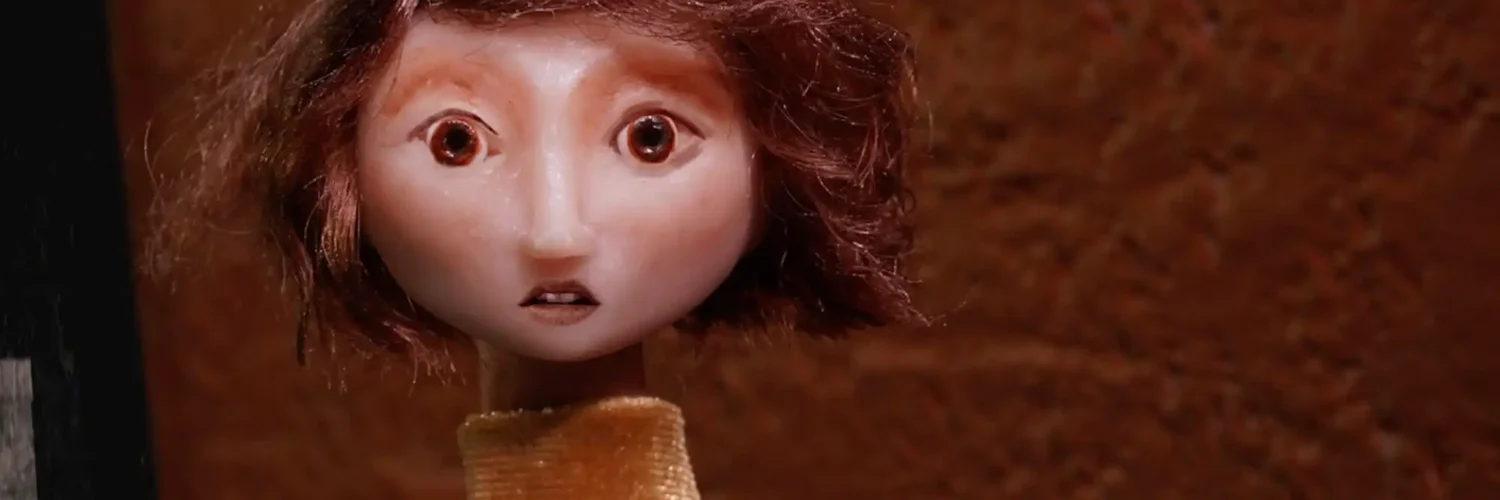
MIRA (2023) is an award-winning stop-motion horror short film directed by Eva Louise Hall. The film follows a struggling accordion busker who encounters a mysterious mentor that turns out to be a parasitic water demon. Through handcrafted animation and surreal storytelling, MIRA explores artistic ambition and creative exploitation.
cMovie.Asia
The short film MIRA, created by director and animator Eva Louise Hall, is an award-winning stop-motion horror film that blends surreal animation, psychological storytelling, and dark fantasy to explore themes of artistic ambition and exploitation. Released in 2023, the approximately 11–12 minute animated short follows a struggling accordion busker whose desire for recognition leads her into a sinister relationship with a mysterious performer who is ultimately revealed to be a parasitic water demon.
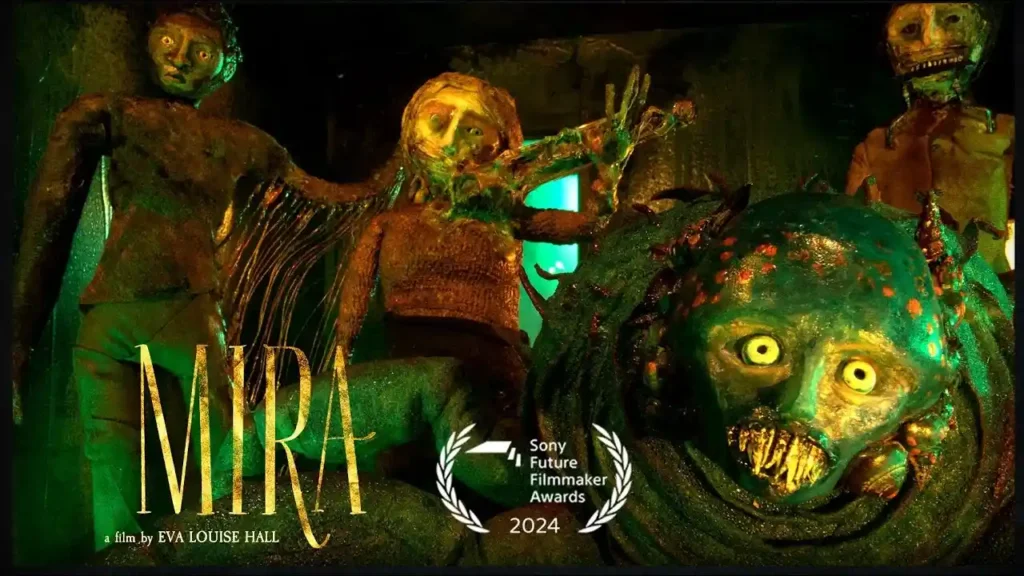
Through meticulously handcrafted puppets, atmospheric lighting, and symbolic storytelling, MIRA has become one of the most notable independent stop-motion horror shorts on the international festival circuit, earning awards and recognition at major festivals and industry programs such as SCAD Savannah Film Festival, Fantastic Fest, and the Sony Future Filmmaker Awards.
This article provides a comprehensive, expert-level analysis of the film—covering its story, themes, animation techniques, production process, and cultural significance in contemporary stop-motion horror.
Table of Contents
What Is MIRA?
MIRA is a surreal stop-motion horror short film about a struggling street musician whose desire for recognition draws her into a manipulative relationship with a supernatural entity posing as a mentor. The story uses horror and metaphor to explore abusive creative dynamics, artistic ambition, and loss of autonomy.
Key facts:
| Attribute | Details |
|---|---|
| Film | MIRA |
| Director & Writer | Eva Louise Hall |
| Year | 2023 |
| Runtime | ~11–12 minutes |
| Genre | Stop-motion animation, psychological horror |
| Country | United States |
| Festival recognition | Fantastic Fest, SCAD Savannah Film Festival, Sony Future Filmmaker Awards finalist |
Plot Summary: A Dark Story of Creative Exploitation
At its core, MIRA tells a deceptively simple but psychologically layered story.
1. A struggling artist
The protagonist, Mira, is a young accordion busker performing in a damp, swamp-like metropolis where few people listen to her music. Despite her talent, she faces discouragement and isolation.
2. A charismatic mentor appears
Her life changes when she encounters Lore, a charismatic singer who appears successful and influential. Lore shows interest in Mira’s music and gradually inserts herself into Mira’s life and home.
3. The relationship becomes disturbing
As Mira seeks validation from Lore, the relationship shifts from mentorship to control. The environment around Mira becomes increasingly surreal and oppressive.
4. The monstrous truth
Lore is revealed to be a parasitic water demon who manipulates artists to survive. In a shocking climax, Mira is physically fused with her accordion—her lungs sewn into the instrument’s bellows so she must play continuously just to breathe.
The ending transforms the instrument that once represented artistic expression into a mechanism of imprisonment.
Core Themes in MIRA
The film’s impact goes far beyond its horror imagery. Hall’s work operates on multiple symbolic levels.
1. Abusive Creative Relationships
The central allegory focuses on power imbalances within creative industries.
Young artists often seek mentorship and recognition. However, unequal power dynamics can lead to exploitation.
The film dramatizes this dynamic through:
- admiration becoming dependence
- mentorship becoming control
- collaboration becoming parasitic
Hall has described the film as a reflection of how creative aspirations can be weaponized by people in positions of power.
2. Artistic Identity and Control
Mira’s accordion initially symbolizes:
- self-expression
- personal identity
- creative freedom
By the film’s end, the instrument becomes a tool of captivity.
This transformation visually communicates how exploitation can turn a passion into a burden.
3. Horror as Emotional Metaphor
Unlike traditional monster films, MIRA uses horror imagery to represent psychological experiences such as:
- manipulation
- creative burnout
- loss of autonomy
The monster design draws inspiration from hermit crabs and parasitic organisms that occupy hosts or shells for survival.
The Stop-Motion Animation Technique Behind MIRA
Stop-motion animation is one of the most labor-intensive forms of filmmaking.
What is Stop-Motion?
Stop-motion animation is a technique where physical models or puppets are photographed frame-by-frame while being slightly repositioned between each shot. When played sequentially, these frames create the illusion of movement.
Each second of film typically requires 24 individual frames.
Production Scale and Craft
The production of MIRA exemplifies the dedication required for independent stop-motion filmmaking.
Key facts about the production:
- Development began during Hall’s MFA program.
- The film was largely created between 2020 and 2023.
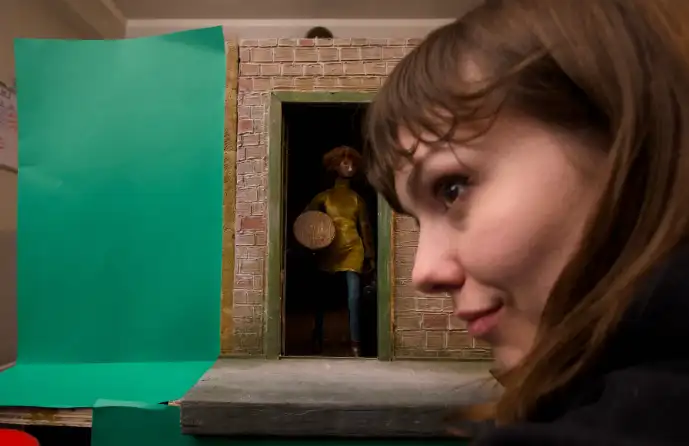
- Much of the animation and fabrication was done by Hall herself in a small studio.
Hall estimated that:
Each second of animation required about one hour of work, not including puppet construction and set design.
Production Components
The film required several specialized processes:
- puppet sculpting and armature building
- miniature set fabrication
- frame-by-frame animation
- lighting and cinematography
- compositing and editing
These handcrafted elements give the film its distinctive tactile atmosphere.
Visual Style and Horror Aesthetics
One of the most praised aspects of MIRA is its textured, tactile visual world.
Environmental Design
The setting resembles a decaying, waterlogged city. Moss, damp wood, and organic textures dominate the environment, reinforcing the film’s parasitic themes.
Puppet Design
The puppets are intentionally imperfect and expressive.
Design features include:
- stitched surfaces
- exaggerated facial features
- bending metal armatures beneath skin
These characteristics enhance emotional realism while maintaining a dreamlike quality.
Surreal Transformations
The horror emerges through gradual environmental shifts rather than sudden shocks:
- rooms subtly reshape
- lighting darkens and tightens
- characters become distorted
This slow escalation creates psychological tension rather than relying on jump scares.
Music and Sound Design
Sound plays a central role in the film’s emotional impact.
The score was composed by Calvin Arsenia, with a thematic accordion composition by Erica Marie Mancini.
Because Mira’s breathing becomes linked to her accordion, the sound design integrates:
- breathing rhythms
- bellows movement
- musical notes
This creates a suffocating atmosphere where music becomes both survival and torment.
Festival Recognition and Awards
Despite its small independent production, MIRA gained significant recognition in the film festival circuit.
Major highlights include:
SCAD Savannah Film Festival
Awards:
- Best of Show – Shorts Spotlight
- Horrors in Plain Sight category winner
Fantastic Fest
Winner of:
- Best Animated Short (Drawn and Quartered program)
Sony Future Filmmaker Awards
Hall was shortlisted among 30 filmmakers selected from over 5,000 applicants worldwide, gaining access to mentorship and master classes at Sony Pictures.
These accolades positioned the film as a notable entry in modern independent animation.
Why MIRA Matters in Contemporary Animation
1. A New Voice in Stop-Motion Horror
Stop-motion horror has historically been dominated by studios or well-known directors. MIRA demonstrates that independent artists can achieve similar impact through meticulous craftsmanship.
2. Female-Centered Horror Narratives
The film contributes to a growing movement of horror stories exploring:
- female artistic identity
- creative labor
- power dynamics in mentorship
3. Independent Animation Innovation
With a budget estimated around $15,000, the film shows how resource-limited productions can still deliver high artistic value through creativity and technical skill.
Lessons Filmmakers Can Learn from MIRA
From a professional filmmaking perspective, the project offers several valuable insights.
1. Strong thematic foundation
The film’s horror elements serve a clear metaphorical purpose.
2. Visual storytelling over exposition
Much of the narrative is communicated through:
- set design
- character movement
- environmental transformation
3. Persistence in production
Hall worked on the film for three years, demonstrating the patience required for stop-motion storytelling.
The Future of Eva Louise Hall
Following the success of MIRA, Eva Louise Hall continues to develop new stop-motion projects. Her next film, “Pluck,” explores body transformation and autonomy through horror symbolism.
Hall also works as an animation educator and continues contributing to the growth of independent stop-motion filmmaking.
Conclusion
MIRA stands as a remarkable example of how independent animation can deliver emotionally powerful storytelling through meticulous craft and symbolic horror.
Directed by Eva Louise Hall, the film transforms a simple narrative about a struggling musician into a chilling allegory about creative exploitation, mentorship, and artistic identity. Through its tactile stop-motion visuals, haunting sound design, and psychologically rich themes, MIRA has earned widespread recognition on the international festival circuit and established Hall as an emerging voice in modern horror animation.
For audiences, filmmakers, and animation scholars alike, MIRA demonstrates the enduring power of stop-motion cinema: a medium where handcrafted artistry and deeply personal storytelling converge to create unforgettable cinematic experiences.
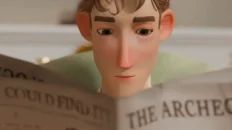


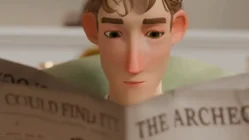



The stop-motion horror short MIRA, directed by Eva Louise Hall, is a haunting and visually striking animated film that blends surreal storytelling with psychological horror. Despite its short runtime, the film delivers a powerful narrative about artistic ambition and manipulation.
The story follows Mira, a struggling accordion busker searching for recognition in a gloomy city. Her life changes when she meets Lore, a mysterious singer who appears to offer mentorship and opportunity. As their relationship deepens, Lore’s true nature is revealed—she is a parasitic entity who exploits artists for survival.
One of the film’s greatest strengths is its handcrafted stop-motion animation. The textured puppets, dim lighting, and atmospheric set design create a dark and immersive world that enhances the film’s eerie tone. The accordion plays a symbolic role, representing Mira’s passion for music and her identity as an artist.
Although surreal in style, MIRA carries a meaningful message about power dynamics in creative mentorship. Through its unsettling imagery and thoughtful themes, the film offers both a chilling horror experience and a compelling commentary on artistic vulnerability.