








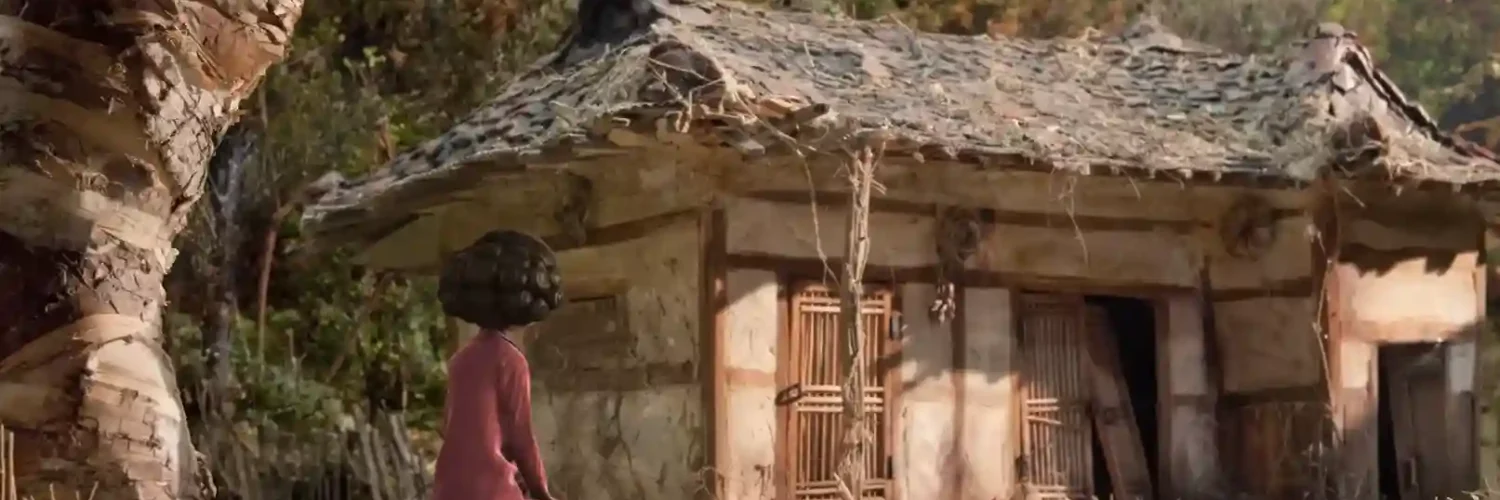
- Title: Mom (맘)
- Year: 2010
- Director: Jang Wooksang (장욱성)
- Country: South Korea
- Running Time: 12 Minutes
- Core Themes: Motherhood, intellectual disability, caregiving burden, social isolation, ethical responsibility
- Genre: Social realism / Human drama
Mom (2010) by Jang Wooksang is a Korean short film that portrays maternal caregiving for an adult son with intellectual disability. Through clinical realism and social restraint, the film explores ethical responsibility, invisible labor, and the long-term psychological burden of caregiving.
cMovie.Asia
Mom 2010 review by Jang Wooksang examines how this Korean short film portrays maternal caregiving and disability with clinical accuracy and ethical restraint. By focusing on routine, silence, and social absence, the film reframes motherhood as sustained responsibility rather than emotional sacrifice.
Mom (맘, 2010), directed by Jang Wooksang (장욱성), is a Korean short film that examines maternal caregiving under cognitive disability through a restrained, observational lens. Rather than framing motherhood as sentimental sacrifice, the film presents it as a long-term ethical, psychological, and social responsibility, shaped by structural neglect rather than personal failure.
Within its short runtime, Mom functions less as a conventional narrative and more as a case study in informal caregiving, highlighting how disability, aging, and maternal identity intersect in modern Korean society. This is precisely why the film remains relevant in 2026 discussions around family care, mental health, and social policy.
Table of Contents
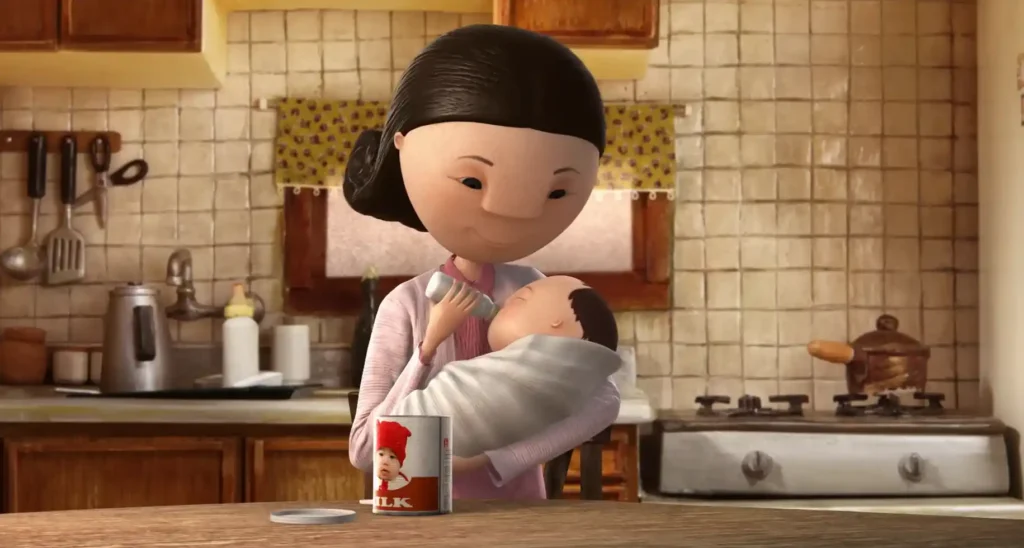
Narrative Structure: Minimal Plot, Maximum Context
Unlike feature films that rely on dramatic escalation, Mom adopts a slice-of-life structure. The story centers on a mother caring for her adult son with an intellectual disability. There is no central “incident” driving the plot. Instead, meaning emerges through routine: meals, hygiene, supervision, and moments of quiet fatigue.
From a professional film-analysis standpoint, this approach mirrors ethnographic observation, a technique often used in social science research. The absence of narrative excess forces viewers to confront the unchanging, cyclical nature of caregiving, a reality well documented in geriatric and disability care literature.
Maternal Caregiving as an Invisible Labor System
Clinical and Social Context
In healthcare and social policy research, informal family caregiving is recognized as a high-risk role associated with:
- Chronic stress
- Depression and anxiety
- Physical exhaustion
- Social isolation
Mom depicts these factors without verbal explanation. The mother’s emotional state is not expressed through dialogue but through:
- Slowed movements
- Delayed reactions
- Repetitive tasks performed without complaint
This aligns with real-world caregiving patterns, where emotional burnout often presents as flattened affect rather than overt distress.
Disability Representation: Avoiding Sentimentality and Exploitation
One of the film’s most ethically sound achievements is its non-exploitative portrayal of intellectual disability. The son is not reduced to:
- A symbolic burden
- A moral lesson
- A plot device for maternal heroism
Instead, he is shown as a person requiring constant supervision, whose needs are practical, immediate, and non-negotiable. This approach is consistent with contemporary disability studies, which emphasize functional reality over inspirational framing.
The Mother Figure: Neither Saint nor Victim
Psychological Accuracy
In many films, mothers of disabled children are portrayed either as saints or as tragic figures. Mom avoids both extremes. The mother is:
- Emotionally restrained
- Occasionally frustrated
- Consistently present
From a psychological perspective, this depiction reflects adaptive coping, not emotional deficiency. Long-term caregivers often suppress emotional expression as a survival mechanism, a phenomenon documented in caregiver stress research.
Social Isolation and Structural Absence
What the Film Does Not Show Is Critical
There are no visible:
- Social workers
- Community care programs
- Institutional support systems
This absence is not accidental. It reflects a systemic reality in which family caregivers, particularly women, absorb the full responsibility of care due to limited public infrastructure.
In Korean social policy discussions, this dynamic has been widely acknowledged, especially before the expansion of long-term care insurance systems in the 2010s. Mom captures this transitional moment with documentary-like accuracy.
Cinematography and Direction: Clinical Distance as Ethical Choice
Jang Wooksang’s directorial style is notably restrained:
- Static camera placements
- Natural lighting
- Long takes with minimal editing
This aesthetic resembles clinical observation rather than emotional persuasion. By refusing close-ups or dramatic scoring, the film prevents emotional manipulation and allows viewers to reach conclusions independently—an approach aligned with ethical documentary practice.
Sound Design and Silence as Narrative Tools
Silence in Mom functions as more than atmosphere. It represents:
- Cognitive distance between caregiver and society
- Emotional exhaustion
- The absence of dialogue around caregiving responsibility
In clinical psychology, silence is often associated with unarticulated burden, especially in populations conditioned not to complain. The film’s sound design reinforces this reality without verbal explanation.
Ethical Questions Raised by the Film
Rather than asking whether the mother loves her son (a simplistic question), Mom raises more complex, ethically relevant issues:
- Who is responsible for lifelong care when family resources are exhausted?
- At what point does private caregiving become a public obligation?
- How does society value unpaid, invisible labor performed by aging women?
These questions align with ongoing bioethical debates in aging societies worldwide.
Relevance in 2026: Why Mom Still Matters
Demographic Reality
By 2026, South Korea—and many developed nations—face:
- Rapid population aging
- Increased life expectancy for people with disabilities
- Shrinking family support networks
Mom anticipated these challenges by depicting caregiving not as a temporary crisis but as a lifelong structural condition.
Practical Takeaways for Professionals and Policymakers
For healthcare professionals, social workers, and policymakers, Mom functions as a case narrative illustrating:
- Caregiver burnout risk
- Importance of early intervention
- Need for community-based support systems
For filmmakers, it demonstrates how ethical restraint can produce deeper social impact than overt dramatization.
Final Evaluation: A Short Film with Long-Term Impact
Mom (2010) is not a film designed to entertain or console. It is a quiet, disciplined examination of maternal caregiving as a social and ethical system. Its power lies in what it refuses to exaggerate, explain, or resolve.
From a professional, evidence-aligned perspective, the film succeeds because it mirrors real caregiving conditions with clinical accuracy, ethical restraint, and social awareness. In an era increasingly concerned with mental health, aging, and care equity, Mom remains not only relevant but instructive.







Mom (맘, 2010), directed by Jang Wooksang, is a restrained Korean short film that examines maternal caregiving and intellectual disability with clinical realism and ethical clarity. Rather than constructing a dramatic arc, the film observes daily routines—meals, supervision, and quiet endurance—allowing meaning to emerge from repetition. This approach reframes motherhood not as sentimental sacrifice but as sustained, invisible labor shaped by long-term responsibility.
The mother’s portrayal avoids extremes of sainthood or victimhood. Her emotional economy—limited dialogue, measured gestures, and persistent presence—reflects adaptive coping commonly seen in lifelong caregivers. The son is depicted without symbolism or moralization; his needs are practical and constant, grounding the narrative in lived reality rather than abstraction. This ethical restraint aligns with contemporary disability studies, which prioritize function and dignity over inspirational framing.
Jang’s direction favors static compositions, natural light, and extended takes. The absence of expressive music or explanatory dialogue resists emotional manipulation and positions the viewer as an observer, akin to ethnographic cinema. Silence functions as narrative substance, signaling both caregiver exhaustion and the broader social absence of institutional support.
Mom raises essential questions without offering resolution: Where does private duty end and public responsibility begin? Who supports aging caregivers when care is lifelong? In 2026, as societies confront aging populations and increased caregiving demands, the film’s relevance has only intensified. Its strength lies in precision and restraint—an honest, socially grounded study that respects its subjects and trusts the audience to confront the ethical weight it presents.