








- Country: Korea
- Initial release: 2017 (Korea)
- Film Director: Jang Hoon
- Genre: Action, Drama, Intense, Thrilling
- Rate: 16+
- Original Language: Korean
- Subtitle: English
- Running Time: 135 Minutes
- IMDB: 7.9 /10
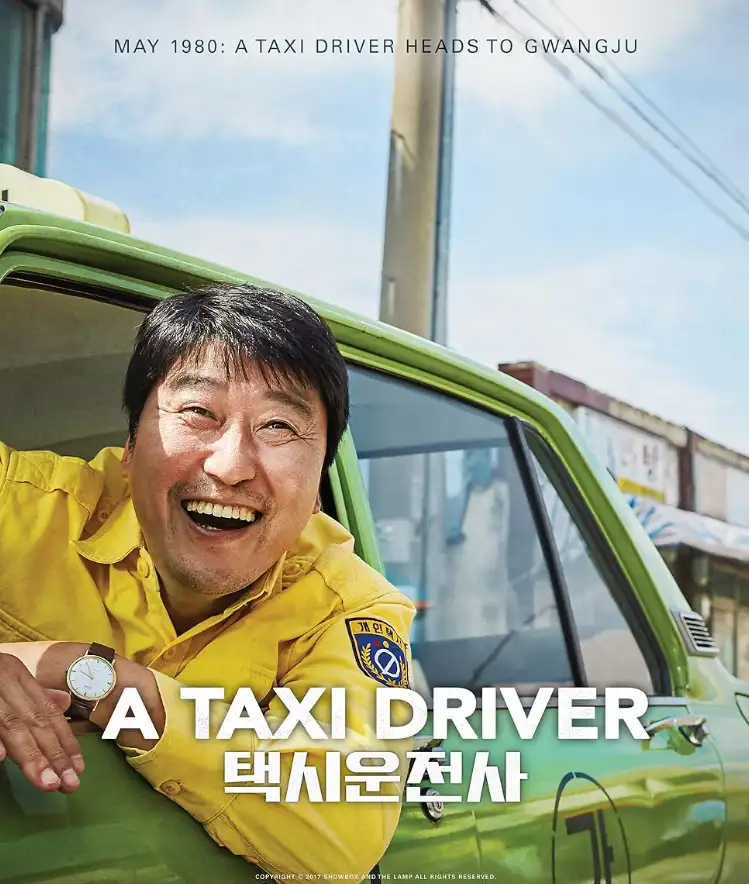
A Taxi Driver (2017) movie review highlights how this emotional Korean film depicts the human cost of truth during the Gwangju Uprising. It follows an ordinary taxi driver who helps expose government violence, blending historical accuracy with powerful storytelling that continues to resonate worldwide.
cMovie.Asia
A Taxi Driver 2017 movie review explores how this acclaimed Korean historical drama captures the emotional and political tension of the Gwangju Uprising. The film blends truth, sacrifice, and gripping performance by Song Kang-ho to show how one ordinary man helped reveal a suppressed moment in history.
Released in 2017 and directed by Jang Hoon, A Taxi Driver is far more than a political drama. It’s a human story about an unexpected hero—Kim Man-seob, played brilliantly by Song Kang-ho—whose everyday struggles collide with a foreign journalist’s mission to expose a government-covered massacre. The film offers gripping realism, heartfelt performances, and a sobering reminder of how truth can change the world, even when spread by ordinary people.
In today’s global climate—where misinformation, media suppression, and political unrest remain urgent concerns—the themes of A Taxi Driver feel not only historically important but painfully contemporary. This emotional connection is partly why the film resonated with audiences worldwide and became one of South Korea’s most beloved historical blockbusters.
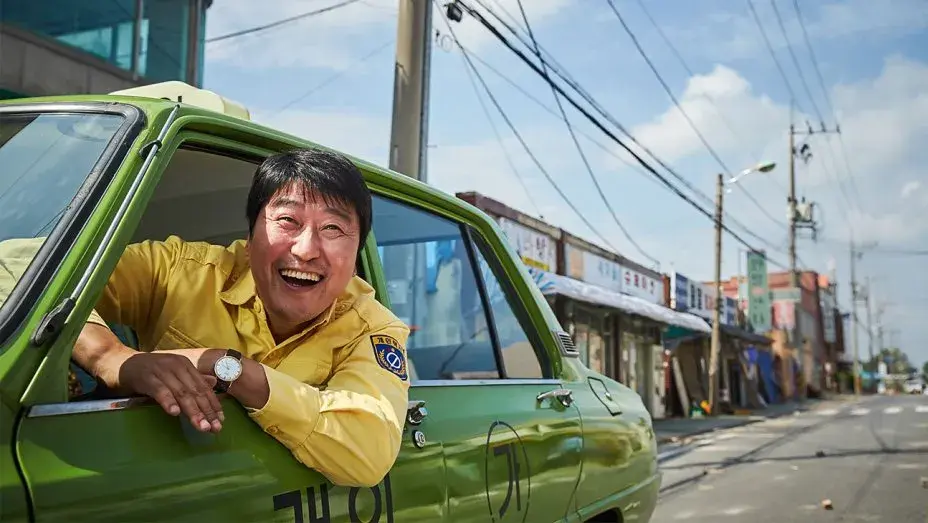
Table of Contents
Plot Summary: A Reluctant Hero Meets History
A taxi ride that changed a nation
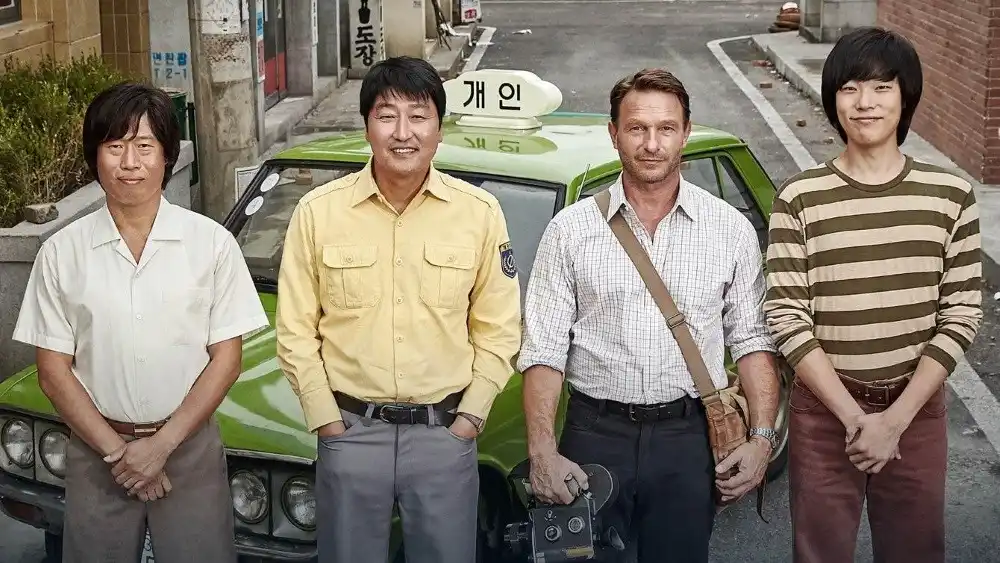
The story begins in Seoul, May 1980. Kim Man-seob is a widowed taxi driver barely making ends meet while caring for his young daughter. His life takes a dramatic turn when he overhears a rumor about a German journalist willing to pay a high fare for a ride to Gwangju. That journalist is Jürgen Hinzpeter (Thomas Kretschmann), who is determined to uncover the truth behind reports of violent crackdowns by the military government.
Man-seob, motivated by money rather than politics, takes the job without understanding the danger they are about to face. What begins as a simple fare evolves into the most dangerous journey of his life.
Gwangju: A city under siege
Upon arrival, the pair witness shocking scenes that contradict the government’s censored narrative. Civilians—mostly students—are being beaten, shot, and oppressed by martial law troops. Hospitals overflow with the wounded. Citizens desperately search for missing loved ones.
Man-seob’s initial instinct is survival: “Let’s get out of here.” But as he forms connections with locals and witnesses the brutality firsthand, his fear transforms into moral responsibility.
Truth vs. suppression
Hinzpeter films everything, risking arrest or worse. Government forces try to stop him from smuggling the footage out. In one of the film’s most intense sequences, Man-seob, originally uninterested in politics, becomes the very person who makes Hinzpeter’s escape—and the truth—possible.
His courage allows the world to witness what truly happened in Gwangju.
Themes and Analysis: Humanity, Courage, and the Cost of Freedom
1. The power of ordinary people
Unlike other political films, A Taxi Driver does not center on activists or leaders. Instead, it highlights a simple Seoul taxi driver who has no interest in political movements. His bravery is accidental at first but deeply human.
The film argues that history is not only shaped by great leaders, but by ordinary people who choose compassion over fear.
2. Media and truth in authoritarian societies
Hinzpeter’s footage, historically accurate, played a crucial role in exposing the truth internationally. The film portrays the importance of a free press and the risks journalists take when governments attempt to silence them.
In today’s world of misinformation, the message feels even more urgent.
3. Emotional authenticity
Song Kang-ho delivers one of the finest performances of his career. His portrayal captures the awkwardness, fear, humor, and raw emotional transformation of a man caught between survival and conscience. The film’s emotional weight is amplified by his realistic, heartbreaking portrayal.
4. Historical trauma and national memory
For many Korean viewers—especially those with relatives affected by the Gwangju Uprising—the film reopened emotional wounds. Yet it also provided catharsis by acknowledging their suffering through mainstream cinema.
“A Taxi Driver” serves as both historical reminder and cultural healing.
Cinematography and Direction: Realism with Heart
The film’s visual tone is grounded and documentary-like. Jang Hoon avoids sensationalizing violence; instead, he shows its impact on families, students, and communities. Crowd scenes are shot with a handheld intensity that immerses viewers without feeling exploitative.
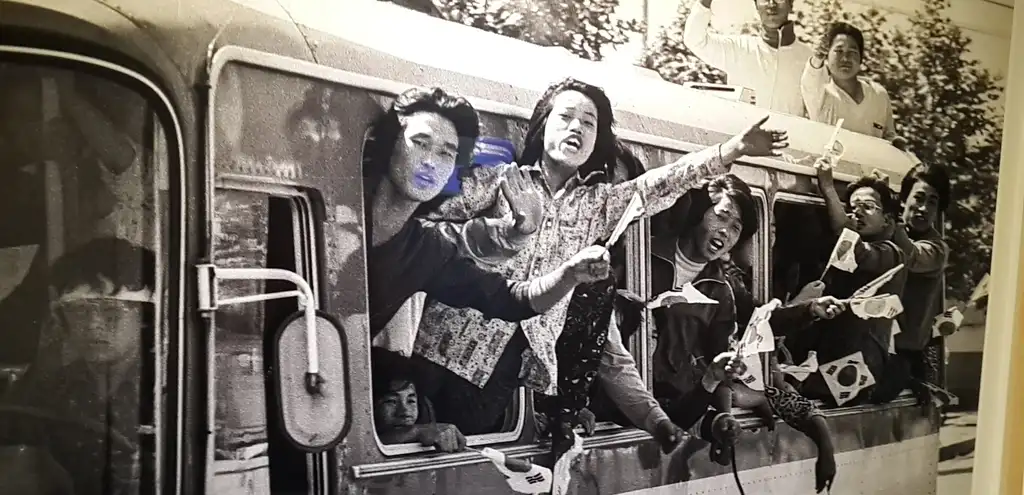
The pacing is tight, balancing tension with emotional moments. Quiet scenes—like students singing on a bus, or Man-seob’s conflicted silence—are just as powerful as the large-scale street battles.
The soundtrack’s subtle orchestration reinforces the emotional weight without manipulating the viewer.
Historical Accuracy: How Much Is True?
While the central relationship between the taxi driver and Hinzpeter is dramatized for cinematic effect, the core events—the uprising, the military crackdown, and Hinzpeter’s escape with the footage—are grounded in truth.
The real driver’s identity was unknown for decades; he remained anonymous until years after the film’s release. Hinzpeter spent his life trying to find him, expressing gratitude for what he had done.
This emotional reality gives the film its unforgettable resonance.
Reception and Global Impact
“A Taxi Driver” became a massive box office hit in South Korea, surpassing 12 million admissions. Internationally, critics praised its emotional depth, historical importance, and outstanding performances.
The film won numerous awards, including:
- Best Actor (Song Kang-ho)
- Best Film (Blue Dragon Film Awards)
- Audience Awards at several global festivals
More importantly, the film revived global awareness of the Gwangju Uprising—especially among younger audiences who did not grow up learning about the event.
Why This Film Still Resonates in 2025
The themes of A Taxi Driver—authoritarian violence, the fight for democracy, the danger of censorship, and the human cost of truth—are sadly evergreen.
In an era marked by media manipulation, social unrest, and civil rights struggles, the film reminds viewers:
Truth matters. Humanity matters. Ordinary people can change the course of history.
Conclusion: A Masterpiece of Korean Cinema
“A Taxi Driver” (2017) stands as one of the most powerful Korean films ever made—not only for its historical significance but for its heartfelt storytelling. It is a tribute to courage, sacrifice, and the pursuit of truth in the darkest of times.
From Song Kang-ho’s unforgettable performance to the film’s humanistic portrayal of one of Korea’s darkest periods, A Taxi Driver remains an essential piece of cinema that will continue to educate, inspire, and move audiences for generations.
FAQs
What is the main message of A Taxi Driver (2017)?
The main message of A Taxi Driver 2017 movie review is the film’s focus on truth, courage, and civic responsibility. It shows how one ordinary man and a foreign journalist exposed the Gwangju Uprising, aligning with themes in Korean historical drama and Song Kang-ho’s powerful performance.
How accurate is A Taxi Driver (2017) to the real Gwangju Uprising?
This A Taxi Driver 2017 movie review explains that while some characters are dramatized, the core events of the Gwangju Uprising are accurately portrayed, offering a realistic Korean historical drama that supports deeper film analysis.
Why is A Taxi Driver considered one of Korea’s most important films?
According to this A Taxi Driver 2017 movie review, the film is important because it revives global awareness of the Gwangju Uprising and features a powerful Song Kang-ho performance, making it essential in Korean historical drama review categories.
What makes Song Kang-ho’s performance stand out in A Taxi Driver?
In this A Taxi Driver 2017 movie review, Song Kang-ho’s performance stands out due to his emotional depth and realism, which elevates the film and enhances Gwangju Uprising film analysis through a human-centered perspective.
Should I watch A Taxi Driver for its historical significance?
Yes. As this A Taxi Driver 2017 movie review states, the film combines accurate historical storytelling with strong emotional impact, making it a must-watch for anyone interested in Korean historical drama review and Gwangju Uprising film analysis.









A Taxi Driver (2017) is a powerful Korean historical drama that follows an ordinary Seoul taxi driver who becomes an unexpected witness to the horrors of the Gwangju Uprising. Song Kang-ho delivers one of his most moving performances as Kim Man-seob, a man initially driven by financial need who gradually transforms into a reluctant hero. When he escorts German journalist Jürgen Hinzpeter into Gwangju, he confronts the military’s violent suppression of civilians, forcing him to reexamine his beliefs and fears.
The film balances emotional storytelling with gripping realism, making its historical events accessible without losing depth. Director Jang Hoon captures the intensity of the uprising while maintaining a deeply human perspective. What sets this film apart is its portrayal of courage through ordinary people and its reminder that truth often survives because someone chooses to protect it.
Both heartbreaking and inspiring, A Taxi Driver stands as one of South Korea’s most important modern films and a must-watch for anyone interested in justice, history, or powerful storytelling.