








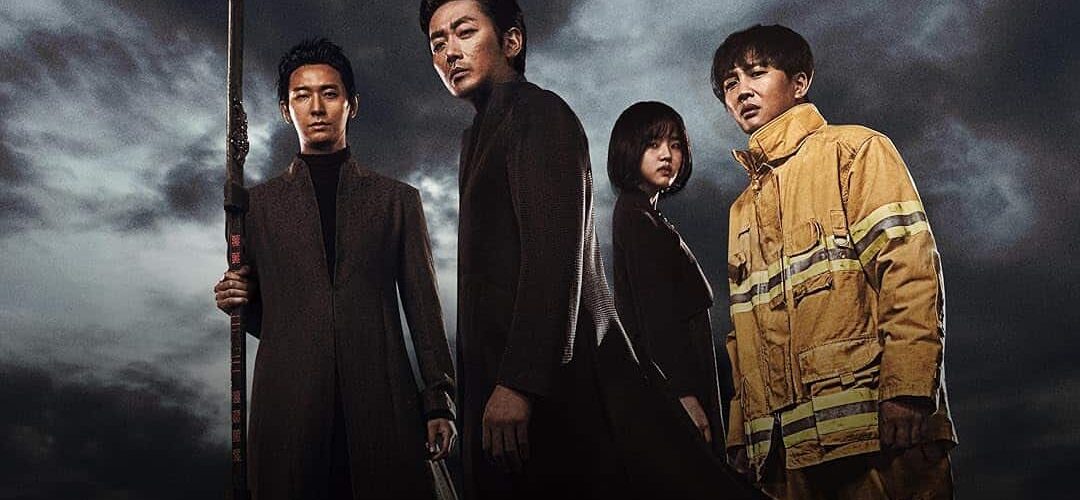
- Country: Korea
- Initial release: 2018 (Korea)
- Film Director: Kim Yong-hwa
- Genre: Adventure, Action, Fantasy
- Rate: PG
- Original Language: Korean
- Subtitle: English
- Running Time: 142 Minutes
- IMDB: 7.1 /10
“Along With the Gods: The Last 49 Days” is a powerful Korean fantasy sequel that blends emotional storytelling, breathtaking visuals, and deeper character arcs. This review explores its themes, worldbuilding, and impact, helping viewers understand why it remains a standout film in modern Korean cinema.
cMovie.Asia
“Along With the Gods: The Last 49 Days review” reveals why this Korean fantasy sequel continues to captivate global audiences. With emotionally driven storytelling, visually stunning worldbuilding, and unforgettable character arcs, the film expands its universe with depth, heart, and a cinematic scale rarely seen in Asian fantasy epics.
“Along With the Gods: The Last 49 Days” is one of South Korea’s most ambitious cinematic achievements—an emotional fantasy epic that blends mythology, action, and human drama with exceptional visual effects rarely seen in Asian cinema. As the second installment of the record-breaking franchise, this film expands the universe built in Along With the Gods: The Two Worlds and dives deeper into themes of forgiveness, destiny, justice, and the meaning of a righteous life.
For viewers searching for a heartfelt Korean movie with grand worldbuilding, incredible CGI, and a story that mixes humor with spirituality, The Last 49 Days remains one of the most memorable Korean fantasy films of the decade.
This review explores the plot, characters, emotional impact, visuals, storytelling structure, and cultural significance—while keeping SEO-friendly keywords and user search intent in mind.
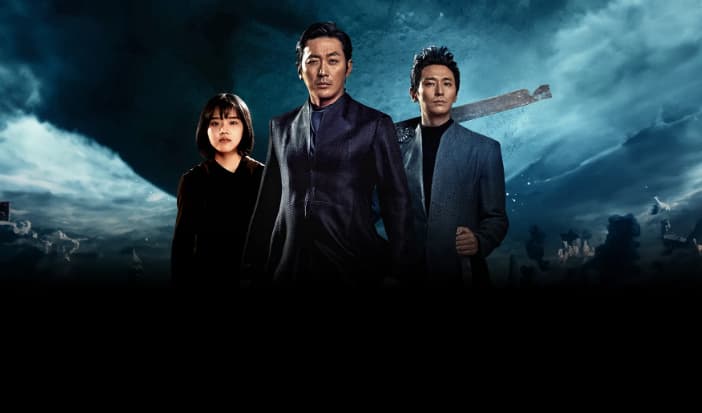
Table of Contents

Plot Overview (Spoiler-Free): A Journey Through the Afterlife and Forgotten Truths
“Along With the Gods: The Last 49 Days” continues directly from the events of the first film. The three afterlife guardians—Gang-rim (Ha Jung-woo), Haewonmak (Ju Ji-hoon), and Deokchun (Kim Hyang-gi)—are tasked with guiding the deceased soldier Soo-hong through seven trials within 49 days so he can reincarnate.
However, this sequel expands in a surprising direction:
the guardians must confront their own forgotten pasts.
Main pillars of the story include:
- Soo-hong’s emotional trials in the underworld
- The guardians’ rediscovery of their human lives
- A mysterious case involving an elderly man (Sung Dong-il) who refuses to die
- Tension between the afterlife bureaucracy and divine justice
- A deeper exploration of karma, memory, and forgiveness
The result is a narrative that is both more personal and more epic than the first film.
Character Analysis: The Guardians Take Center Stage
A major strength of The Last 49 Days is its character-driven focus, shifting the emotional weight from the deceased soul to the guardians themselves.
1. Gang-rim (Ha Jung-woo)
The stoic leader’s emotional barriers begin to crack as buried memories reemerge. His journey explores guilt, loyalty, and moral conflict—making him one of the most compelling figures in Korean fantasy cinema.
2. Haewonmak (Ju Ji-hoon)
Often comic relief in the first film, Haewonmak becomes central to the sequel’s emotional core. His rediscovered past adds depth, nuance, and a tragic resonance that transforms him from a side character into a fully realized hero.
3. Deokchun (Kim Hyang-gi)
The youngest guardian shines with both innocence and maturity. Her subplot deals with love, sacrifice, and justice—proving why she is one of Korea’s most talented young actresses.
4. Soo-hong (Kim Dong-wook)
Although central to the plot, Soo-hong’s role functions more as a moral anchor. His trials reveal surprising truths about justice and compassion in the afterlife.
5. The House God (Ma Dong-seok)
A breakout character, the House God brings humor, mystery, and emotional depth. His presence ties together the past lives of the guardians and the film’s overarching mythology.
Themes: What “The Last 49 Days” Says About Life, Death, and Morality
The film tackles philosophical ideas while remaining entertaining and approachable.
1. Forgiveness and Redemption
The story argues that redemption is possible even after death—and that forgiveness is a powerful force that transcends time.
2. Karma and Personal Responsibility
Characters are forced to confront the consequences of their past actions, illustrating a core principle of Korean afterlife mythology:
Every action has a ripple effect, even across lifetimes.
3. Memory and Identity
The guardians’ forgotten human lives reveal how memory shapes identity—and how losing it can both protect and imprison the soul.
4. Family and Loyalty
One of the film’s most emotionally charged topics is family loyalty, especially the sacrifices made by parents and siblings.
5. Justice vs. Bureaucracy
The afterlife legal system critiques the rigid, often impersonal nature of bureaucratic judgment, provoking the viewer to question what true justice means.
Visual Effects and Cinematic Achievement
“Along With the Gods: The Last 49 Days” is widely praised for its groundbreaking CGI and worldbuilding.
1. Expanding the Underworld
The sequel introduces new realms—ranging from icy landscapes to infernal courts—each visually immersive and symbolically meaningful.
2. Realistic Action Sequences
Massive battles, dynamic chase scenes, and supernatural transformations showcase a level of technical mastery that sets new standards for Korean cinema.
3. Beautiful Color Palettes and Costume Design
From the guardians’ elegant robes to the dramatic lighting in each trial court, every visual element supports the film’s emotional tone.
The result is a visual feast that rivals Hollywood blockbusters.
Storytelling Strengths: What Makes This Sequel Special

Unlike many sequels, The Last 49 Days doesn’t simply repeat the formula of the first film. Instead, it deepens the universe and raises the emotional stakes.
1. A More Complex Narrative
Multiple timelines, flashbacks, and interwoven character arcs create a richer story anchored in human emotion.
2. Humor Balanced With Tragedy
The film blends comedic scenes—often involving the House God—with deeply moving moments, achieving a harmony that appeals to wide audiences.
3. Emotional Payoff
As the guardians uncover their pasts, viewers experience shock, heartbreak, and catharsis. The final revelations redefine everything from the first film.
4. Cultural Depth
The movie draws from Korean folklore, mythology, and Buddhist concepts, giving it a cultural richness that sets it apart from Western fantasy films.
Why “The Last 49 Days” Resonates With Global Audiences
The film has universal appeal for several reasons:
- Everyone can relate to themes of family, love, regret, and forgiveness.
- The story blends spiritual mythology with action-packed entertainment.
- The emotional storytelling transcends language and culture.
- It reflects universal human fears: death, judgment, and the desire to be remembered kindly.
Criticisms: Where the Film Falters
Even a celebrated film has weaknesses worth noting.
1. Narrative Complexity
The multi-layered storytelling may be confusing for some viewers, especially those unfamiliar with Korean mythology or who did not watch the first film.
2. Occasional Pacing Issues
Some flashback sequences slow the momentum, although they provide necessary emotional context.
3. Slight Overreliance on CGI
While impressive, the heavy use of digital environments may feel overwhelming for audiences seeking realism.
Final Verdict: A Must-Watch Korean Fantasy Masterpiece
“Along With the Gods: The Last 49 Days” is an emotionally rich, visually spectacular, and thematically profound sequel that elevates the entire franchise. It strengthens character development, deepens the mythology, and delivers powerful moments that linger long after the credits roll.
If you enjoy:
- Korean fantasy movies
- Emotional dramas
- Stories about the afterlife
- Stunning CGI and worldbuilding
- Characters with complex backstories
Then this film is absolutely worth your time.
Rating: ★★★★★ (5/5)
A grand, heartfelt continuation that sets a new standard for Korean cinematic universes.
FAQs
What makes Along With the Gods: The Last 49 Days unique among Korean fantasy movies?
The film stands out for its emotional depth, worldbuilding, and powerful visual effects. This Along With the Gods: The Last 49 Days review highlights how the Korean fantasy movie blends mythology and afterlife adventure seamlessly.
Do I need to watch the first film before The Last 49 Days?
While the sequel can be enjoyed alone, this Along With the Gods: The Last 49 Days review recommends watching the first movie to fully appreciate the characters and the Korean afterlife adventure storyline.
What themes are explored in Along With the Gods: The Last 49 Days?
Key themes include redemption, memory, destiny, and family loyalty. This Along With the Gods: The Last 49 Days review shows how the Korean fantasy movie uses mythology to explore emotional human experiences.
Is Along With the Gods: The Last 49 Days a visually impressive Korean blockbuster?
Yes. As described in the Along With the Gods: The Last 49 Days review, it delivers epic fantasy visuals, dynamic action, and rich CGI that set new standards for Korean blockbuster filmmaking.
Who will enjoy Along With the Gods: The Last 49 Days the most?
Fans of emotional storytelling, Korean fantasy movies, and afterlife adventure narratives will appreciate it. This Along With the Gods: The Last 49 Days review recommends it to viewers seeking both spectacle and heart.








Along With the Gods: The Last 49 Days expands the emotional and visual universe of the franchise with a deeper, more character-driven narrative. The film shifts focus from pure spectacle to the hidden pasts of its grim reapers, revealing their karmic ties and the weight of their own unresolved sins. Ha Jung-woo anchors the story with a grounded, empathetic performance, while Ju Ji-hoon and Kim Hyang-gi bring both intensity and vulnerability to their arcs.
Visually, the movie delivers the sweeping fantasy worlds audiences expect, but it’s the emotional payoff—particularly the exploration of loyalty, forgiveness, and moral ambiguity—that elevates it above a typical blockbuster sequel. The parallel timeline involving Heo Chun-sam adds heartfelt humor and humanity, balancing the darker themes.
Though slightly dense with exposition, the film rewards viewers with a richer mythology and a surprising emotional resonance. As a companion to the first installment, it succeeds in broadening the lore while standing strong as a moving drama about redemption and the complex layers of the afterlife.