









- Country: Japan
- Initial release: 2023 (Japan)
- Film Director: Wim Wenders
- Genre: Comedy, Drama, Heartwarming, Nostalgic
- Rate: PG
- Original Language: Japanese
- Subtitle: English
- Running Time: 124 Minutes
- IMDB: 7.9 /10
Perfect Days (2023) is an Oscar®-nominated Japanese film that explores the quiet beauty of routine through a deeply human character study. This analysis highlights its themes, visual storytelling, emotional depth, and why it resonates globally as a modern cinematic masterpiece.
cMovie.Asia
Perfect Days is a quietly moving Japanese-language drama that captivated global audiences with its minimalist storytelling, meditative pacing, and profound emotional clarity. Directed by Wim Wenders and led by the extraordinary performance of Kōji Yakusho, the film follows the daily life of Hirayama, a Tokyo toilet cleaner whose simple routine unfolds into something unexpectedly poetic and deeply human.
Perfect Days (2023) analysis reveals why this Japanese Oscar®-nominated film has become one of the most quietly powerful cinematic experiences of the decade. Through its minimalist storytelling, emotional sincerity, and meditative visuals, the film transforms ordinary routines into profound reflections on dignity, presence, and the meaning of a fulfilled life.

Table of Contents

A Story Rooted in Ritual and Human Dignity
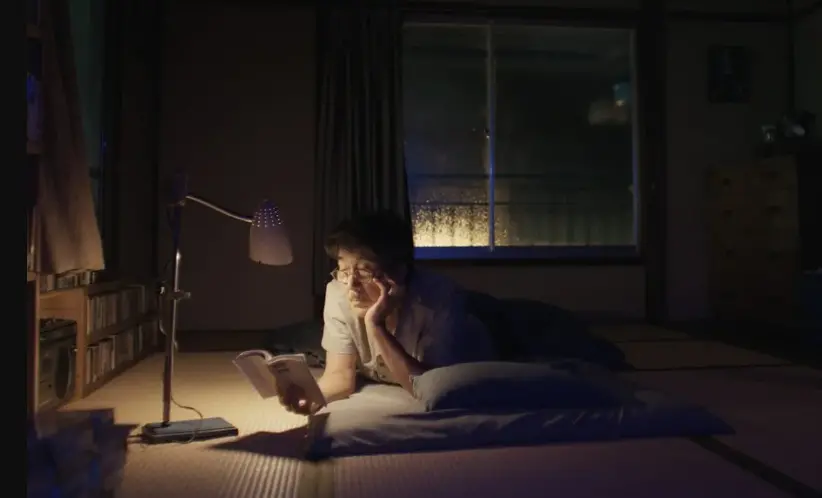
At its core, Perfect Days explores the beauty of routine. Hirayama rises early, tends meticulously to his work, listens to beloved cassette tapes, photographs shifting patterns of sunlight, and interacts gently with the people around him. His days repeat, but never feel empty. Instead, they reveal a man who embraces the present moment with gratitude, curiosity, and quiet joy.
This rhythm is the heartbeat of the film—slow, intentional, and calming. The narrative invites viewers to question how they perceive work, solitude, and meaning.
Why the Film Resonates Globally
Perfect Days stands out because it turns the ordinary into something transcendent. The film celebrates:
- The dignity of labor, especially the often invisible workers who keep society functioning.
- Mindfulness and presence, shown through meticulous daily rituals.
- Human connection, revealed in small, fleeting encounters.
- The contrast between Tokyo’s design-forward modernity and Hirayama’s analog simplicity—cassettes, books, film cameras.
This contrast amplifies the emotional impact: in a fast, digital world, the protagonist remains anchored to what is tangible, slow, and meaningful.
Kōji Yakusho’s Career-Defining Performance

Yakusho’s portrayal is widely regarded as one of the most subtle and powerful performances of his career. With minimal dialogue, he conveys depth through micro-expressions, posture, and the way he moves through each space. His performance elevates the film from observational slice-of-life to something spiritually resonant.
Visual Poetry and Cinematic Craft
Wenders employs a restrained visual style—steady framing, long takes, natural lighting, and rhythmic edits—to mirror the calm flow of Hirayama’s life. The camera lingers on small details: a tree branch moving in the wind, light reflecting off a building, the precision of Hirayama’s work.
Each image feels intentional, creating a cinematic experience that is both meditative and emotionally grounding.
Themes That Drive the Film’s Oscar Recognition
Perfect Days earned its Oscar nomination because it speaks a universal language through:
- Human dignity
- Radical simplicity
- Emotional authenticity
- Cultural curiosity
- A contemplative view of modern society
The narrative demonstrates that a film does not need spectacle to be powerful; it only needs truth.
A Film for Viewers Seeking Meaning, Stillness, and Humanity
For audiences overwhelmed by speed, noise, and digital overload, Perfect Days feels like a cinematic breath of air. It reminds viewers that even a repetitive, quiet life can be rich with purpose. That beauty can be found in service. And that happiness often hides in the smallest moments.
FAQs
What makes Perfect Days (2023) a standout Oscar® nominee?
Perfect Days (2023) stands out as an Oscar® nominee because its minimalist storytelling and emotional authenticity create a powerful viewing experience. This Perfect Days 2023 analysis highlights how Wim Wenders elevates quiet routines into meaningful cinematic art, making the Japanese Oscar nominee globally resonant.
What themes are explored in Perfect Days (2023)?
Key themes in Perfect Days 2023 analysis include mindfulness, dignity in everyday labor, human connection, and the beauty of repetition. The Japanese Oscar nominee uses small moments to convey profound truths about presence and purpose.
Why is Kōji Yakusho’s performance in Perfect Days (2023) praised?
In this Perfect Days 2023 analysis, Kōji Yakusho is praised for his subtle, emotionally rich performance. The Japanese Oscar nominee showcases his ability to express depth through stillness and restraint, elevating the film’s contemplative tone.
How does Wim Wenders use visual style in Perfect Days (2023)?
Wim Wenders enhances Perfect Days 2023 through calm, steady visuals that reflect the protagonist’s peaceful rhythm. This film analysis shows how natural lighting and slow pacing support the Japanese Oscar nominee’s meditative atmosphere.
Is Perfect Days (2023) worth watching for fans of character-driven films?
Yes. According to this Perfect Days 2023 analysis, the Japanese Oscar nominee offers a moving, introspective experience ideal for fans of character-driven cinema. Its gentle pace and emotional depth create a memorable, meaningful journey.









Perfect Days (2023) is a quietly mesmerizing film that transforms simplicity into emotional depth. Wim Wenders crafts a meditative character study centered on Hirayama, a Tokyo toilet cleaner whose daily routines reveal a life rich in presence, dignity, and unexpected beauty.
Kōji Yakusho delivers one of the most controlled and luminous performances of the year, expressing more through silence and subtle expression than most actors do with pages of dialogue. His portrayal turns ordinary moments—folding clothes, wiping surfaces, listening to cassettes—into small acts of grace.
The film’s rhythm is intentionally slow, almost hypnotic, inviting viewers to settle into Hirayama’s world and rediscover the value of the present moment. Stunning natural light, minimalist framing, and an evocative soundtrack amplify its gentle emotional pull.
Perfect Days succeeds because it reminds us that a meaningful life doesn’t need grandeur. It only needs attention, humility, and the courage to appreciate what is already there. This is a rare, deeply human film—quiet, tender, and unforgettable.