









- Country: United Kingdom
- Initial release: March 26, 2024 (United Kingdom)
- Film Director: Ruth Pickett
- Running Time: 11 Minutes
- IMDB Grade: 7.1/10
The BAFTA-winning short film Quiet Life uses silence and minimalist storytelling to explore modern isolation and human connection. Through restrained performances and visual precision, the film demonstrates how quiet moments can deliver powerful emotional impact in contemporary cinema.
cMovie.Asia
This BAFTA-winning short film Quiet Life review explores how silence becomes a storytelling force in modern cinema. By rejecting noise and excess, Quiet Life delivers emotional depth through visual restraint, subtle performance, and a deeply human examination of isolation and connection.
In a media landscape dominated by constant noise, rapid cuts, and algorithm-driven spectacle, Quiet Life emerges as a rare cinematic achievement — a BAFTA-winning short film that finds its strength not in excess, but in restraint. With subtle humor, visual precision, and emotional intelligence, Quiet Life delivers a powerful commentary on modern disconnection, the weight of digital life, and the quiet human desire for meaning.
Winning a BAFTA is no small feat for a short film, and Quiet Life earns its recognition through confidence, clarity, and craft. Rather than shouting for attention, the film invites viewers to lean in — to observe, reflect, and recognize themselves in moments of stillness that feel increasingly rare in contemporary life.
Table of Contents
A Story Built on Simplicity and Intent
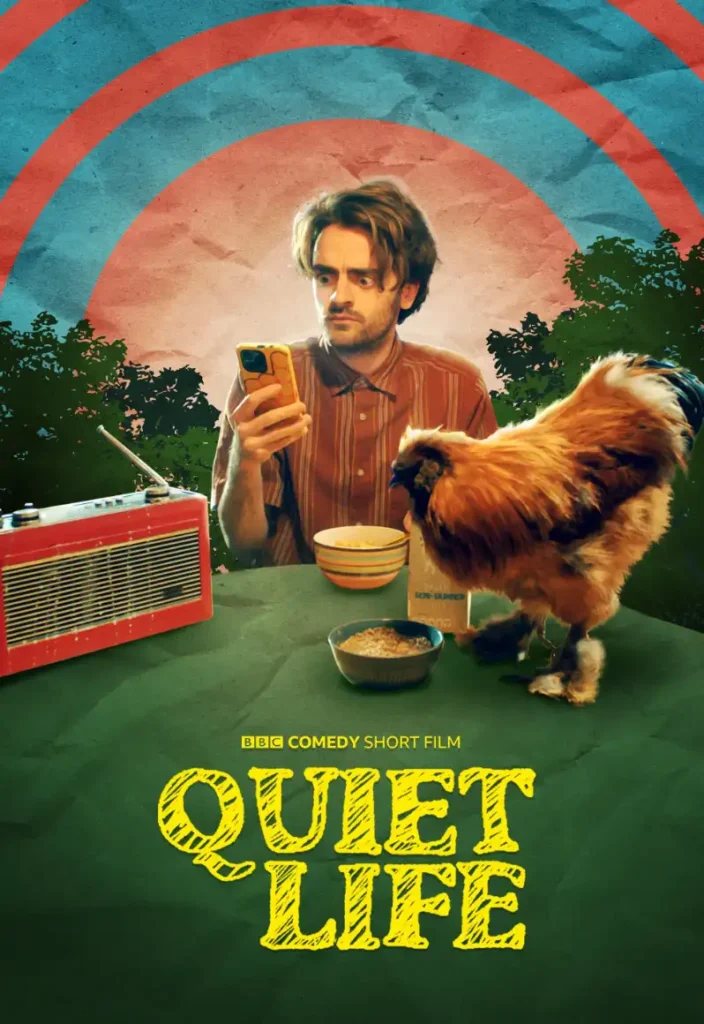
At its core, Quiet Life follows a single protagonist who decides to step away from modern connectivity by abandoning his smartphone and embracing a quieter existence. What initially appears to be a comedic act of rebellion quickly unfolds into a thoughtful exploration of isolation, vulnerability, and the paradox of escape.
The narrative is deliberately minimal. There are no elaborate subplots, no exposition-heavy dialogue, and no unnecessary distractions. Instead, the film relies on visual storytelling and carefully paced moments that allow the audience to fill in emotional gaps. This simplicity is not a limitation — it is the film’s greatest strength.
By stripping away excess, Quiet Life creates space for reflection. Each action feels intentional, and every pause carries meaning. The result is a story that feels intimate, relatable, and quietly profound.
Direction That Respects the Audience
The direction of Quiet Life demonstrates a deep respect for the audience’s intelligence. Rather than explaining its themes, the film trusts viewers to interpret meaning through observation. This confidence elevates the storytelling and distinguishes it from many short films that attempt to do too much in too little time.
The director’s use of silence is particularly effective. Silence is not treated as absence, but as presence — a narrative tool that allows emotion to surface naturally. Moments of quiet become moments of tension, humor, and introspection.
The pacing is deliberate without feeling slow. Each scene unfolds at just the right tempo, reinforcing the emotional arc while maintaining engagement. The result is a film that feels complete, despite its short runtime.
A Performance That Carries the Film
The central performance anchors Quiet Life with remarkable nuance. With minimal dialogue, the lead actor conveys internal conflict through body language, facial expression, and subtle shifts in behavior. This restraint creates authenticity and draws the viewer closer to the character’s inner world.
What makes the performance especially compelling is its balance between comedy and vulnerability. The character’s attempts to disconnect from the world are often humorous, yet never mocked. Instead, the film treats the protagonist with empathy, allowing the audience to laugh while still recognizing the deeper emotional stakes.
This grounded performance ensures that Quiet Life never drifts into gimmick or satire. It remains human, honest, and emotionally accessible.
Visual Storytelling That Speaks Volumes
Visually, Quiet Life is clean, composed, and intentional. The cinematography favors uncluttered frames and muted tones that mirror the protagonist’s desire for simplicity. Every shot feels purposeful, reinforcing mood and theme without drawing attention to itself.
The visual language complements the film’s emotional core. Empty spaces, long takes, and quiet environments emphasize isolation, while subtle changes in framing reflect shifts in the character’s mindset. Nothing feels accidental — each visual choice contributes to the story’s emotional rhythm.
This visual discipline is a key reason the film resonates so strongly. It demonstrates how much can be communicated without dialogue, reminding audiences of cinema’s fundamental power as a visual medium.
Themes That Resonate in a Digital Age
Quiet Life explores themes that feel particularly relevant in an era defined by constant connectivity and digital fatigue.
One of the film’s central ideas is the illusion of escape. By removing himself from digital life, the protagonist hopes to find peace, yet discovers that silence does not automatically resolve emotional complexity. The film suggests that disconnection can be just as confronting as engagement.
Another important theme is modern loneliness. Despite unprecedented levels of communication technology, many people feel more isolated than ever. Quiet Life captures this contradiction with sensitivity, highlighting how true connection requires presence, not just availability.
The film also touches on identity and self-worth. Without external validation from messages, notifications, or online interaction, the protagonist must confront who he is without constant feedback. This quiet confrontation becomes the emotional heart of the story.
Why Quiet Life Works as a Short Film
Short films often struggle to leave a lasting impression, constrained by time and limited narrative scope. Quiet Life succeeds because it understands the strengths of the format.
Rather than compressing a feature-length idea into a short runtime, the film embraces brevity. It focuses on a single emotional journey and executes it with clarity. This restraint ensures that the story feels complete rather than rushed.
The film also benefits from tonal consistency. From beginning to end, Quiet Life maintains a coherent emotional voice, allowing audiences to settle into its rhythm and engage fully with its message.
This mastery of form is a major reason the film stands out in the short film landscape and resonates with both audiences and award bodies.
The Significance of Its BAFTA Win

Winning a BAFTA places Quiet Life among a select group of short films recognized for exceptional storytelling and craftsmanship. The award signals industry recognition not just of technical quality, but of narrative intelligence and cultural relevance.
For the filmmakers, the BAFTA win represents validation of a creative vision rooted in subtlety and restraint — a reminder that quiet stories can have powerful impact. For audiences, it elevates Quiet Life as a must-watch example of what short-form cinema can achieve.
The recognition also reinforces the growing importance of short films as meaningful artistic works, not merely stepping stones to feature-length projects.
Emotional Impact and Lasting Impression
What lingers after watching Quiet Life is not a single dramatic moment, but a feeling — a quiet echo that stays with the viewer. The film invites reflection, encouraging audiences to consider their own relationship with technology, silence, and connection.
This emotional aftertaste is rare, especially in short-form storytelling. It speaks to the film’s ability to tap into universal experiences without resorting to overt messaging.
By the time the final frame fades, Quiet Life has already done its work. It has planted a thought, sparked a question, and offered a moment of stillness in an otherwise noisy world.
Final Thoughts: A Quiet Film With Enduring Power
Quiet Life is a masterclass in minimalist storytelling. Through careful direction, nuanced performance, and thoughtful visual design, it delivers a deeply human story that resonates far beyond its runtime.
Its BAFTA recognition is well deserved, not because the film is loud or flashy, but because it understands the power of restraint. In choosing quiet over spectacle, Quiet Life reminds us why cinema remains such a powerful medium — capable of capturing the smallest moments and revealing the largest truths.
In a world that rarely slows down, Quiet Life offers a rare invitation: to pause, observe, and listen.









Quiet Life is a BAFTA-winning short film that proves silence can be one of cinema’s most powerful storytelling tools. This critically acclaimed short film explores emotional distance, unspoken grief, and human fragility through restrained performances and minimalist direction, making it a standout in modern short-form cinema.
Rather than relying on dialogue, Quiet Life uses stillness, sound design, and visual composition to communicate meaning. The film’s pacing is deliberate, allowing tension and emotion to surface naturally. Every frame feels intentional, reinforcing the themes of isolation and internal conflict. This approach reflects a growing trend in award-winning short films that favor emotional authenticity over exposition.
What makes Quiet Life especially compelling is its trust in the audience. The film invites viewers to observe rather than be told, creating a deeply personal viewing experience. Its subtle narrative choices and quiet intensity demonstrate why it resonated with BAFTA judges and global audiences alike.
From an artistic standpoint, Quiet Life exemplifies how short films can rival feature-length cinema in emotional impact. Its success highlights the continued relevance of minimalist storytelling in an era dominated by spectacle. For film lovers interested in BAFTA-winning short films, modern cinema techniques, or the expressive power of silence, Quiet Life is an essential watch.
In the landscape of contemporary short films, Quiet Life stands as a reminder that sometimes the most profound stories are told in whispers, not words.