








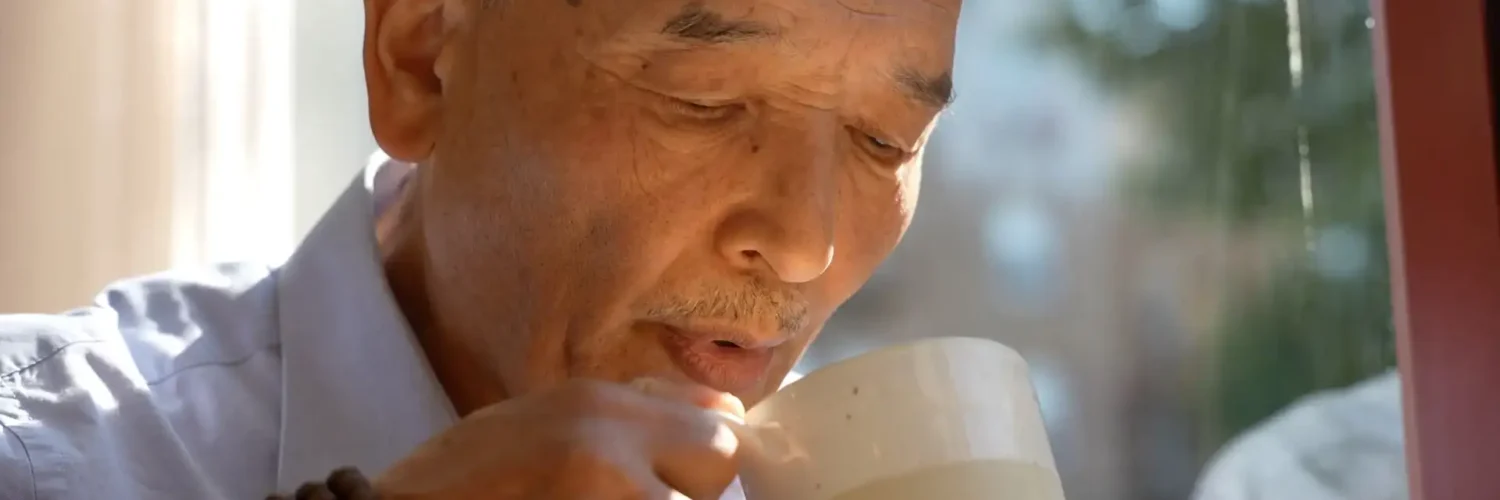
Butter Tea – New Tibetan Short Film (Losar 2026) is a culturally authentic Tibetan New Year short film that explores identity, tradition, and resilience through the ritual preparation of butter tea. Released for Losar 2026, it highlights intergenerational bonds and Tibetan heritage in a modern context.
cMovie.Asia
Butter Tea – New Tibetan Short Film (Losar 2026) is a culturally grounded short film released in celebration of Losar, the Tibetan New Year. The film uses the preparation and sharing of traditional Tibetan butter tea (po cha) as a central narrative device to explore identity, intergenerational continuity, migration, and emotional resilience in contemporary Tibetan communities.
Within its concise runtime, the film functions as more than a cultural portrait. It is a symbolic meditation on nourishment—both physiological and psychological—set against the ritual framework of Losar. By anchoring its story in a universally recognized Tibetan daily practice, the film offers an accessible yet layered reflection on belonging, memory, and adaptation in the modern era.
For viewers searching for meaning, cultural authenticity, or an introduction to Tibetan traditions during Losar 2026, Butter Tea provides a concise, visually compelling, and emotionally grounded experience rooted in lived cultural realities.
Table of Contents
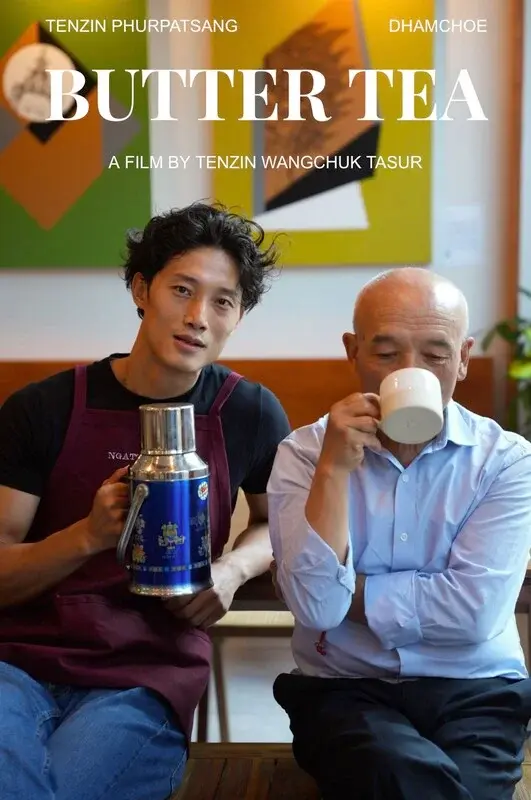
Understanding the Cultural Foundation: What Is Butter Tea?
Butter tea, known as po cha, is a traditional Tibetan beverage made from:
- Strong brewed tea (often brick tea)
- Yak butter (or cow butter in modern adaptations)
- Salt
- Water
The ingredients are churned together into a creamy, calorie-dense drink. It is consumed daily across the Tibetan Plateau and Himalayan regions, especially in high-altitude climates.
Physiological Function in High-Altitude Environments
From a practical standpoint, butter tea serves important adaptive functions:
- High caloric density supports thermoregulation in cold climates.
- Fat content provides sustained energy in oxygen-thin environments.
- Salt balance helps maintain electrolyte stability.
- Hydration combats dry high-altitude air.
In clinical high-altitude medicine, adequate caloric and fluid intake is a cornerstone of adaptation. Butter tea historically fulfilled these survival needs long before formal physiology explained them.
The film subtly integrates this biological foundation. Butter tea is not presented as exotic—it is presented as necessary.
Narrative Structure of Butter Tea (Losar 2026)
1. Opening: Ritual Preparation
The film opens in a domestic kitchen during Losar preparations. The act of brewing tea is deliberate and quiet. There is no exposition-heavy narration; instead, sound design—boiling water, wooden churn rhythm, fabric movement—anchors the viewer in sensory realism.
This approach aligns with ethnographic filmmaking traditions: the ritual is shown rather than explained.
2. Intergenerational Exchange
An elder figure prepares butter tea while a younger family member watches. Their conversation revolves around seemingly mundane topics—timing, flavor, tradition—but subtext reveals deeper concerns:
- Cultural continuity
- Diaspora identity
- The fear of forgetting
From a psychological perspective, food rituals often serve as identity anchors in migrant communities. Clinical research on cultural continuity demonstrates that intergenerational transmission of rituals strengthens resilience and reduces identity fragmentation.
The film visually reinforces this through framing: elders in steady, central compositions; younger characters in transitional spaces such as doorways or windows.
3. The Losar Context
Losar symbolizes renewal, purification, and hope. Traditionally, homes are cleaned, offerings are prepared, and families gather.
In the film, Losar functions not as a festival spectacle but as a quiet emotional threshold. Butter tea becomes the first shared act of the new year—a metaphorical reset.
Thematic Analysis: Core Concepts Explored
A. Cultural Identity and Preservation
At its core, Butter Tea examines how identity survives through repetition of daily acts.
Identity is not preserved through slogans or declarations—it survives through habits.
The film reflects three layers of identity preservation:
- Ritual repetition – making tea the same way each year.
- Language transmission – subtle use of Tibetan dialogue.
- Embodied memory – muscle memory in preparation techniques.
These mechanisms mirror anthropological models of cultural continuity.
B. Migration and Psychological Adaptation
While the film does not sensationalize displacement, it hints at geographic relocation. Urban architecture contrasts with traditional objects.
In clinical practice, migration often produces:
- Cultural grief
- Intergenerational tension
- Identity duality
Butter tea, in this film, becomes a stabilizing ritual. Ritualized behavior reduces anxiety by reinforcing predictability. Neuroscientific research supports this: familiar sensory experiences can activate memory networks that reinforce emotional stability.
Thus, the film’s focus on tactile preparation—touching butter, pouring tea, churning—acts as embodied grounding.
C. Nourishment Beyond Nutrition
The symbolic layering of nourishment is one of the film’s most sophisticated elements.
Butter tea represents:
- Physical warmth
- Emotional continuity
- Social bonding
- Spiritual renewal
In high-stress environments—whether environmental or sociocultural—shared meals are consistently associated with improved psychological outcomes. This has been documented in family therapy research and community health studies.
The film visually encodes this principle: the final scene shows shared silence rather than dramatic dialogue.
Cinematic Techniques and Visual Language
Minimalist Realism
The film avoids dramatic lighting or exaggerated musical cues. Instead, it uses:
- Natural light
- Static camera framing
- Ambient sound
- Slow pacing
This restrained style strengthens authenticity. It mirrors lived experience rather than fictional dramatization.
Color Palette
Warm tones dominate the kitchen scenes—amber, cream, wood browns—contrasting with cooler outdoor hues. This visual transition subtly reinforces the concept of internal warmth versus external environment.
Health and Cultural Context: Why This Matters in 2026
As of 2026, global discussions around cultural preservation, minority identity, and diaspora health have intensified. Mental health research increasingly acknowledges cultural rituals as protective factors.
The film contributes meaningfully to these conversations by showing:
- Cultural practices as adaptive tools.
- Food rituals as resilience mechanisms.
- Intergenerational dialogue as a protective health factor.
It does not romanticize hardship. Instead, it demonstrates quiet endurance.
Who Should Watch Butter Tea?
This short film is especially relevant for:
- Viewers interested in Tibetan culture during Losar.
- Students of anthropology or cultural psychology.
- Health professionals studying ritual-based resilience.
- Diaspora communities exploring identity preservation.
- Educators seeking culturally grounded visual material.
Strengths of the Film
- Cultural authenticity without spectacle.
- Strong symbolic coherence.
- Subtle emotional depth.
- Evidence-aligned portrayal of ritual and resilience.
- Accessible to international audiences without oversimplification.
Limitations
As a short film, runtime constraints limit deeper exploration of broader sociopolitical contexts. Viewers seeking detailed historical background on Tibet or Losar may require supplemental educational material.
However, this limitation aligns with the film’s artistic intention: focus on the microcosm rather than macro commentary.
Final Evaluation: Why Butter Tea Resonates in 2026
Butter Tea – New Tibetan Short Film (Losar 2026) succeeds because it treats culture not as spectacle but as lived physiology, psychology, and memory.
It demonstrates that:
- Ritual stabilizes identity.
- Food encodes history.
- Intergenerational dialogue prevents cultural erosion.
- Quiet storytelling can carry profound thematic weight.
In a global landscape characterized by rapid change, the film offers a grounded reminder: continuity often survives in the smallest repeated acts.
Butter tea is not merely a beverage in this narrative. It is an adaptive system—biological, social, and emotional.
For viewers seeking a meaningful, culturally respectful, and psychologically insightful short film during Losar 2026, Butter Tea stands as a quietly powerful contribution to contemporary Tibetan cinema.







Butter Tea – New Tibetan Short Film (Losar 2026) is a visually intimate and culturally authentic short film that captures the emotional depth of Tibetan New Year traditions through the simple yet powerful ritual of preparing butter tea. Set during Losar 2026, the film uses everyday domestic moments to explore identity, intergenerational bonds, and cultural continuity in a modernizing world.
Rather than relying on dramatic plot twists, the film draws strength from its quiet realism. The slow churning of butter tea, the warmth of shared cups, and subtle family dialogue reflect how tradition survives through repetition and lived experience. Butter tea becomes more than a beverage—it symbolizes resilience, memory, and belonging within Tibetan communities.
Cinematically, the minimalist framing and natural lighting enhance authenticity, allowing viewers to feel immersed rather than instructed. The film does not romanticize culture; instead, it presents it as functional, sustaining, and deeply human.
For audiences interested in Tibetan heritage, Losar celebrations, or culturally grounded storytelling, Butter Tea (Losar 2026) offers a moving and meaningful short film experience that resonates long after its final scene.