








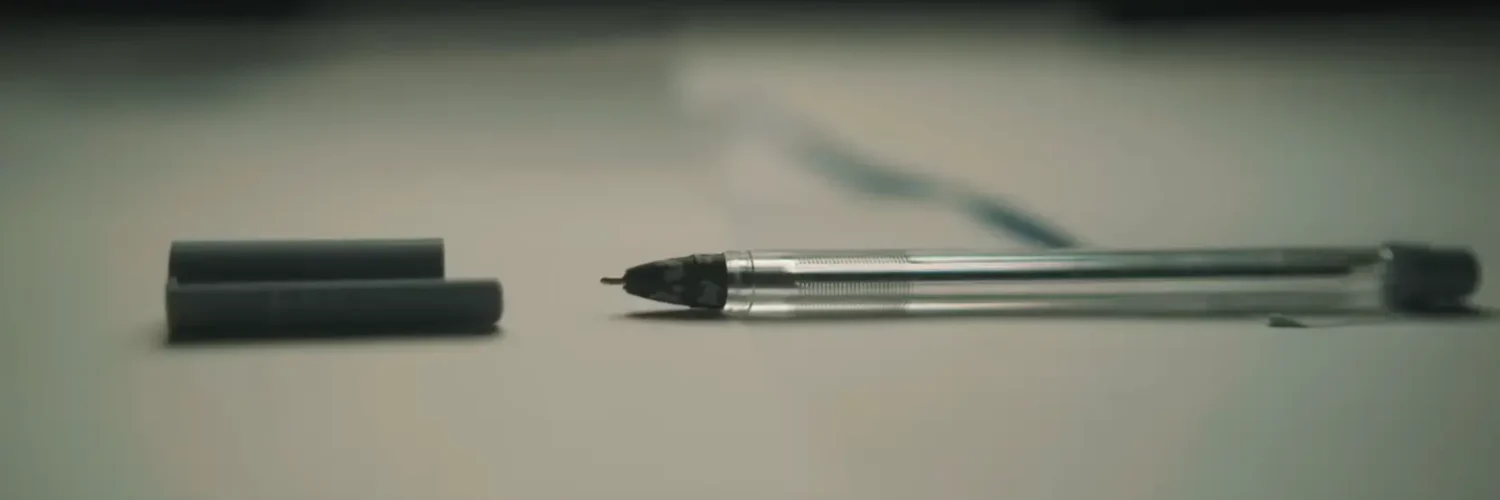
The Pen by Cinematographer is a short film that uses cinematography as its primary narrative voice. Through controlled lighting, minimalist framing, and deliberate camera movement, the film explores themes of creative control and authorship, proving how visual precision alone can convey powerful meaning.
cMovie.Asia
This analysis of The Pen by Cinematographer focuses on how visual storytelling replaces dialogue to communicate themes of control, creation, and responsibility. By relying on minimalist cinematography, disciplined composition, and precise lighting, the film demonstrates the power of cinematic technique as a narrative force.
The Pen is a short film that proves a powerful truth of visual storytelling: you don’t need scale to create impact — you need intention. From a cinematographer’s point of view, The Pen is not simply a narrative about an object, but a disciplined exercise in visual authorship, where framing, light, and movement carry as much meaning as dialogue or plot.
In an age where filmmaking tools are increasingly automated and AI-assisted, The Pen stands as a reminder of the cinematographer’s role as a conscious decision-maker. Every shadow, camera angle, and pause in the frame reflects a deliberate choice. This is a film where the camera does not observe passively — it writes alongside the story.
This article explores The Pen specifically through the lens of cinematography, examining how visual language transforms a simple concept into a layered cinematic experience.
Table of Contents
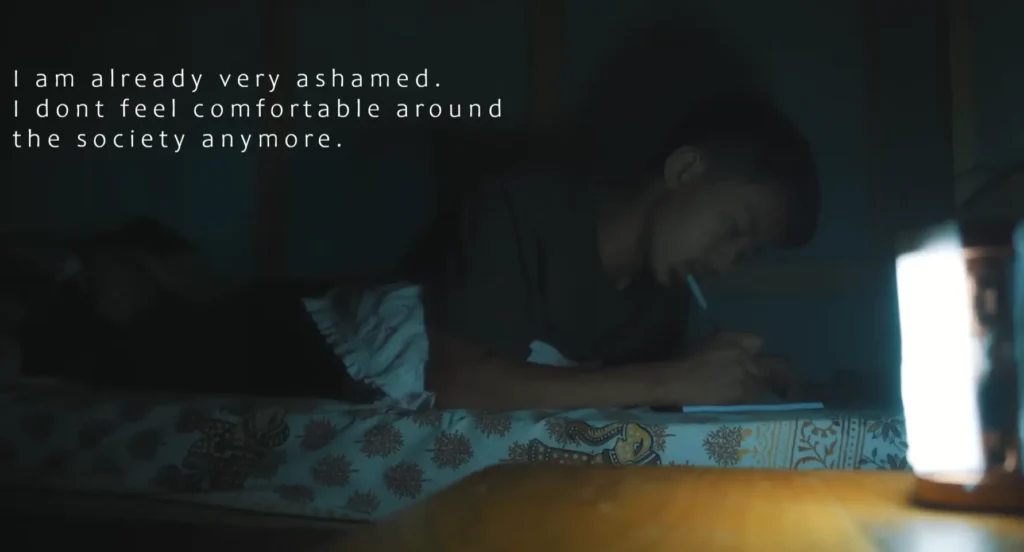
The Cinematographer’s Role in The Pen
From the opening frame, The Pen establishes a clear visual philosophy: restraint, precision, and symbolic clarity. The cinematography does not compete with the story — it is the story.
The camera functions as a narrator, guiding the viewer’s attention to what matters and withholding information when ambiguity is required. This approach aligns closely with the cinematographer’s highest responsibility: to translate theme into visual form.
Rather than relying on coverage or excessive movement, The Pen uses composition as its primary storytelling tool.
Visual Minimalism as a Narrative Strategy
One of the defining choices in The Pen is visual minimalism. This is not minimalism for aesthetic trendiness, but for narrative focus.
- Limited locations
- Controlled color palette
- Intentional negative space
- Sparse camera movement
Each of these choices reinforces the film’s central themes of control, authorship, and consequence. By stripping the frame of distractions, the cinematographer forces the viewer to engage with meaning rather than spectacle.
This discipline reflects a deep understanding of cinematic economy — a skill often overlooked in short-form filmmaking.
Lighting: Shaping Meaning Through Contrast
Lighting in The Pen is subtle yet precise. Rather than dramatic flourishes, the film relies on contrast, falloff, and shadow placement to convey psychological weight.
Key Lighting Observations
- Directional light emphasizes the pen as an object of power
- Soft falloff creates emotional isolation
- Controlled highlights prevent visual dominance, keeping the tone grounded
Light is not used to beautify; it is used to define. The pen frequently emerges from shadow, visually reinforcing its role as something that reveals and conceals truth simultaneously.
For cinematographers, this is a textbook example of how lighting choices can communicate theme without a single line of dialogue.
Framing and Composition: The Pen as a Character
In The Pen, framing is never neutral. The pen is repeatedly positioned with the same care traditionally reserved for human subjects.
- Center-framed shots establish authority
- Close-ups create intimacy and tension
- Wide frames isolate the object within its environment
By giving the pen visual priority, the cinematographer elevates it from prop to character. This choice aligns with the film’s philosophical undertone: tools are never passive; they shape outcomes.
The audience subconsciously absorbs this hierarchy, understanding the pen’s significance long before the narrative makes it explicit.
Camera Movement: When Stillness Speaks Loudest
One of the most effective cinematographic decisions in The Pen is the restraint in camera movement. Motion is used sparingly — and therefore meaningfully.
When the camera moves, it does so with purpose:
- A slow push suggests inevitability
- A subtle pan reveals consequence
- A locked-off shot forces contemplation
Stillness dominates the film, allowing viewers to project their own interpretations onto the image. For cinematographers, this demonstrates how less movement can create more tension.
Depth of Field: Guiding Attention Without Words
Depth of field in The Pen is carefully controlled. Shallow focus is used not as a stylistic crutch, but as a narrative guide.
- Sharp focus isolates intention
- Soft backgrounds suggest uncertainty
- Shifts in focus mirror shifts in power
These choices subtly direct the viewer’s gaze, reinforcing the idea that attention itself is an act of control — a theme deeply embedded in the film.
This level of focus discipline reflects professional cinematographic maturity and an understanding of visual psychology.
Color Palette and Emotional Tone
The color palette in The Pen is restrained and cohesive. Neutral tones dominate, allowing texture, light, and contrast to take precedence over color expression.
This choice supports the film’s contemplative tone and avoids emotional manipulation. When color variation does appear, it carries narrative weight rather than decorative intent.
For cinematographers, this is a strong example of how color restraint can enhance seriousness and thematic clarity.
The Relationship Between Cinematography and Theme
What makes The Pen particularly notable is how tightly cinematography and theme are intertwined. Every visual choice reinforces the film’s core ideas:
- Authorship → controlled framing
- Responsibility → deliberate lighting
- Power → compositional dominance
- Consequence → visual repetition
This alignment is not accidental. It reflects a cinematographer who understands story not as something separate from visuals, but as something expressed through them.
Cinematography in the Context of Modern Filmmaking
In today’s filmmaking landscape, where AI tools, presets, and automated workflows are increasingly common, The Pen feels almost radical in its intentionality.
The film reminds us that:
- Technology does not replace vision
- Tools do not define meaning
- Cinematography is still a human art
This makes The Pen particularly relevant for modern cinematographers navigating an evolving industry.
Educational Value for Cinematographers
From a professional standpoint, The Pen serves as an excellent study piece for:
- Visual storytelling in short films
- Symbolic cinematography
- Minimalist lighting setups
- Narrative framing discipline
It demonstrates that strong cinematography is not about complexity, but clarity.
Strengths from a Cinematographer’s Perspective
Key Strengths
- Cohesive visual language
- Strong object-focused storytelling
- Controlled lighting and framing
- High thematic alignment
- Excellent use of restraint
These strengths position The Pen as a standout example of cinematography-driven storytelling.
Potential Limitations
From a purely visual standpoint, some viewers may find the minimalism challenging. The absence of dynamic movement or visual variety requires patience and attentiveness.
However, these are conscious artistic decisions rather than shortcomings. The film demands engagement rather than offering passive consumption.
Final Verdict: A Film Written With Light
The Pen by Cinematographer is a reminder of what cinema does best: turning abstract ideas into visual experience. It proves that cinematography is not decoration — it is authorship.
Through disciplined framing, controlled lighting, and intentional restraint, the film transforms a simple object into a powerful metaphor. For cinematographers, filmmakers, and visual storytellers, The Pen is not just a short film — it is a lesson in visual responsibility.
Overall Evaluation:
⭐ A visually intelligent, thematically coherent short film that exemplifies cinematography as narrative voice.


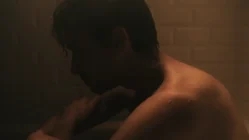
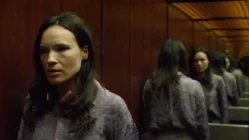



The Pen by Cinematographer is a visually disciplined short film that proves how powerful pure cinematography can be when used with intention. Stripping away dialogue and narrative excess, the film relies on framing, light, and stillness to explore themes of control, creation, and responsibility. Every shot feels deliberate, turning an ordinary object into a symbol of authorship and power.
What makes The Pen stand out is its restraint. The camera never rushes, the lighting never overstates, and the composition consistently guides the viewer’s attention with precision. This minimalist approach demands engagement, rewarding viewers who are willing to read meaning through visual language rather than exposition.
While its abstract nature may not appeal to everyone, the film succeeds as a study in cinematic clarity. For cinematographers, filmmakers, and visual storytellers, The Pen serves as a reminder that strong images — not scale or technology — are what ultimately shape lasting stories.