








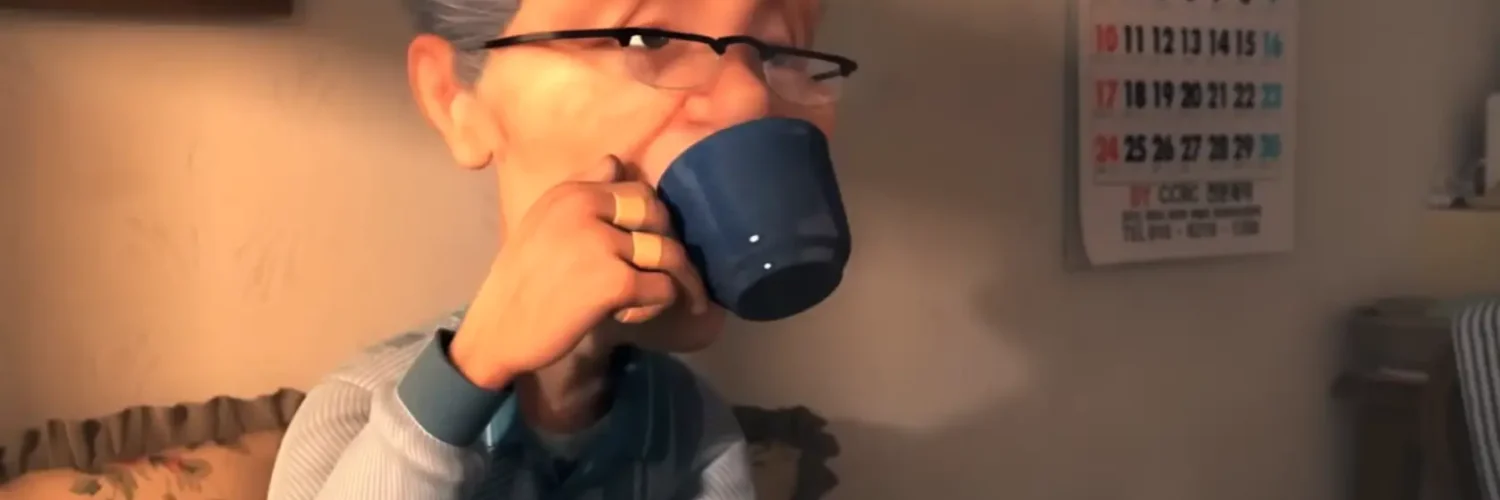

Grandfather (2012) is a Korean animated short directed by Kim Jung-bin that explores memory, aging, and family through quiet visual storytelling. The film stands out for its restrained animation, minimal dialogue, and emotionally powerful portrayal of an elderly grandfather confronting time, loneliness, and human connection.
cMovie.Asia
- Director: Kim Jung-bin
- Genre: Animation, Drama, Family
- Runtime: 9 minutes
- Country: South Korea
- Main Theme: Memory, aging, family relationships, loneliness, and the passage of time
Grandfather follows the emotional and psychological world of an elderly grandfather whose connection to family and memory gradually reveals the passage of time and the loneliness that can accompany aging. Through delicate animation and minimal dialogue, the film explores how ordinary interactions carry extraordinary emotional weight.
The story unfolds with subtlety, allowing viewers to interpret the grandfather’s emotional state through visual cues, rhythm, and atmosphere rather than explicit explanation.
Table of Contents
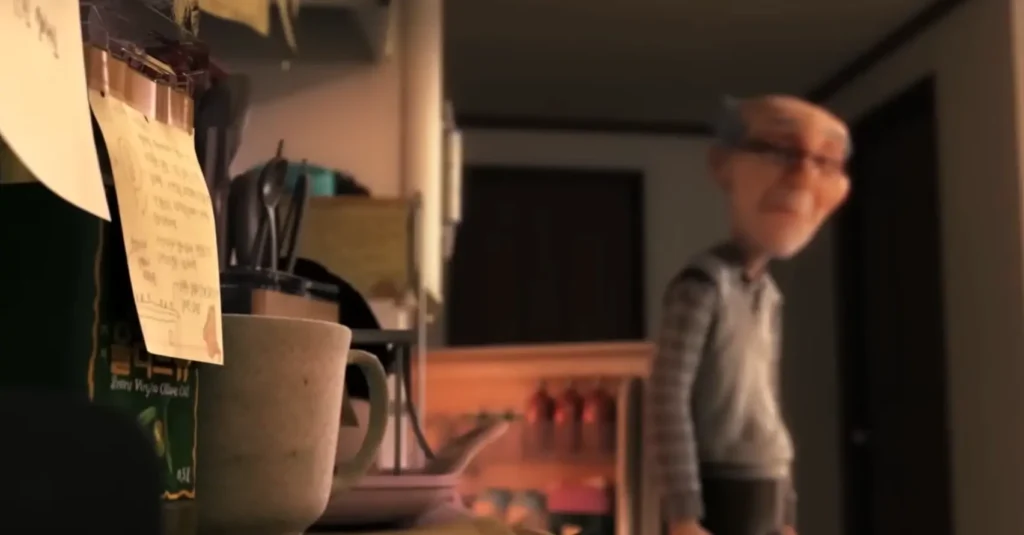
A powerful portrait of aging
The film’s greatest achievement is its deeply human portrayal of old age. Kim Jung-bin avoids sentimentality and instead focuses on the small routines, gestures, and silences that define the grandfather’s existence.
This approach makes the character feel authentic rather than symbolic. The audience is not instructed to feel pity; instead, they are encouraged to observe, empathize, and reflect. The result is a much more emotionally powerful experience.
The film understands that aging is often experienced through gradual changes rather than dramatic events, and it captures that truth with exceptional precision.
Animation that serves emotion
Visually, Grandfather is understated yet expressive. The animation style is not designed to impress with technical complexity but to support the film’s emotional atmosphere.
The restrained color palette, careful character movement, and quiet compositions create a sense of emotional distance that mirrors the grandfather’s inner world. Every visual decision appears motivated by the story’s emotional needs.
The animation communicates:
- Isolation
- Nostalgia
- Emotional disconnection
- The passage of time
- Fleeting moments of warmth
This is animation used as a language of emotion rather than spectacle.
The role of silence
One of the most striking aspects of Grandfather is its use of silence and minimal dialogue.
Many animated shorts explain their themes directly, but Kim Jung-bin trusts the audience. Long pauses and quiet moments become opportunities for reflection. The absence of constant conversation allows viewers to pay attention to facial expressions, body language, and environmental details.
This makes the film feel unusually intimate.
Silence in Grandfather functions almost like memory itself: incomplete, fragmented, and emotionally charged.
Family and emotional distance
Although the film centers on an elderly protagonist, it is equally a film about family relationships.
The interactions between generations reveal how love can exist alongside misunderstanding, distance, and the inability to communicate fully. The film suggests that emotional separation is not always caused by conflict; sometimes it emerges naturally through time, routine, and changing life circumstances.
This theme gives the film universal relevance.
Viewers from many cultures will recognize the experience of watching older family members become increasingly isolated even while remaining physically close.
The emotional impact of ordinary moments
Perhaps the film’s most impressive quality is its ability to transform ordinary moments into emotionally significant experiences.
Simple actions—walking, waiting, remembering, observing—gradually accumulate emotional weight. By the end of the film, these seemingly minor moments reveal a larger meditation on mortality and human connection.
This cumulative emotional structure is particularly effective in the short-film format, where every scene must contribute meaningfully.
Direction and storytelling
Kim Jung-bin demonstrates remarkable confidence as a director.
Instead of compressing a large story into a short runtime, he focuses on a single emotional experience. The narrative remains focused, controlled, and consistent from beginning to end.
The film avoids unnecessary exposition and trusts visual storytelling, which is one of the strongest indicators of mature short-film direction.
The pacing is deliberately slow, but it is purposeful rather than indulgent.
Themes explored in Grandfather
The film explores several interconnected themes:
Memory
Memory is presented as something fragile and emotionally powerful. The grandfather’s relationship with the past shapes his experience of the present.
Loneliness
The film portrays loneliness not as dramatic abandonment but as quiet emotional isolation.
Family
Intergenerational relationships are shown with complexity and realism.
Time
The passage of time becomes almost a physical presence within the film.
Mortality
Rather than emphasizing death directly, the film reflects on the gradual fading of identity and connection.
What makes Grandfather memorable
Many short films are quickly forgotten because they rely on a single clever idea. Grandfather remains memorable because it is built on emotional truth.
The film respects its characters, respects its audience, and respects the complexity of human experience.
Its emotional power comes from recognition.
Viewers may think of:
- Their own grandparents
- Aging parents
- Childhood memories
- Family relationships that have quietly changed over time
That personal resonance is what gives the film lasting impact.
Strengths
- Emotionally authentic storytelling
- Sensitive direction by Kim Jung-bin
- Beautifully restrained animation
- Excellent use of silence
- Universal themes of aging and family
- Strong visual storytelling
- Memorable emotional atmosphere
Weaknesses
The film’s subtle approach may feel too understated for viewers seeking a more plot-driven narrative. Because it relies heavily on mood and implication, some audiences may find the emotional progression slower than expected.
However, this restraint is also central to the film’s artistic identity.
Final verdict
Grandfather is a quiet masterpiece of emotional animation. Kim Jung-bin transforms a simple story into a profound reflection on aging, memory, and the fragile bonds that connect generations.
It demonstrates how animated shorts can achieve extraordinary emotional depth without relying on elaborate plots or visual spectacle. The film’s gentle pacing, restrained animation, and compassionate observation make it one of those rare short films that feels both deeply personal and universally recognizable.
For viewers interested in Korean animation, family-centered storytelling, or emotionally resonant short films, Grandfather is absolutely worth watching.
Rating: 4.5/5
A beautifully understated animated short that captures the quiet heartbreak and enduring love hidden within ordinary family life.








Add Short Film Review