








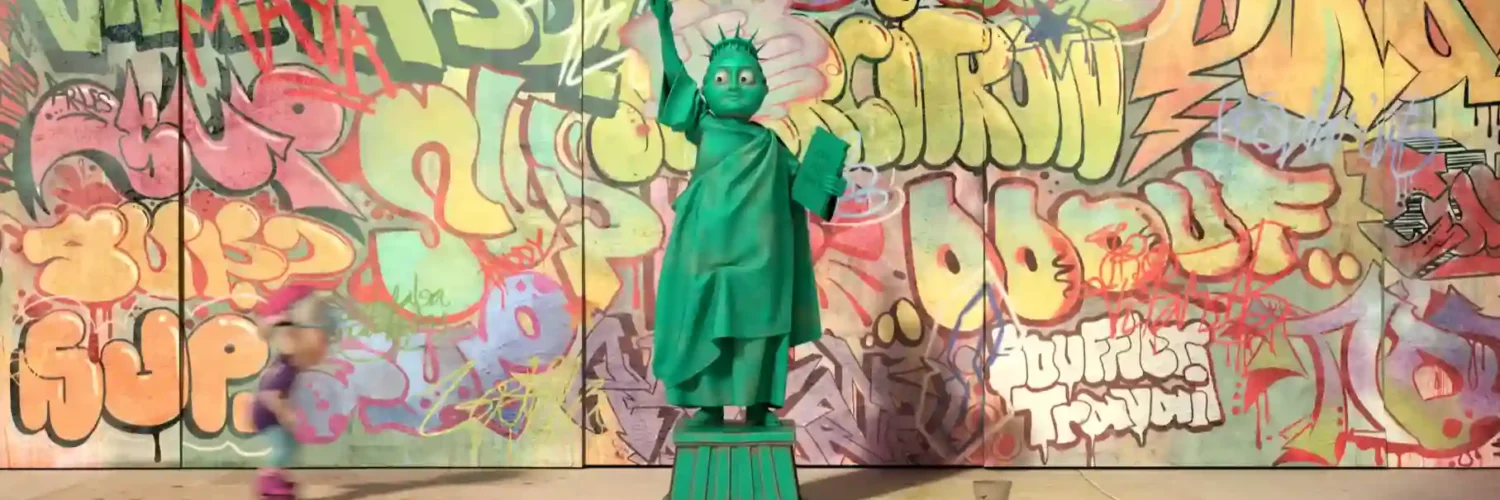

Outdoors (2017) is an emotionally intelligent animated short film that explores isolation, emotional fatigue, and reconnection with nature through minimalist storytelling, atmospheric sound design, and visually symbolic animation. Directed by Anne Castaldo, Sarah Chalek, and Elsa Nesme, the film remains a standout independent animation experience.
cMovie.Asia
The Outdoors 2017 review conversation continues to attract animation enthusiasts and independent film audiences because the short film delivers something increasingly rare in modern animation: emotional honesty through visual storytelling. Directed by Anne Castaldo, Sarah Chalek, and Elsa Nesme, Outdoors combines minimalist animation, atmospheric sound design, and reflective pacing to create a quietly powerful viewing experience that still resonates deeply with audiences in 2026.
Table of Contents
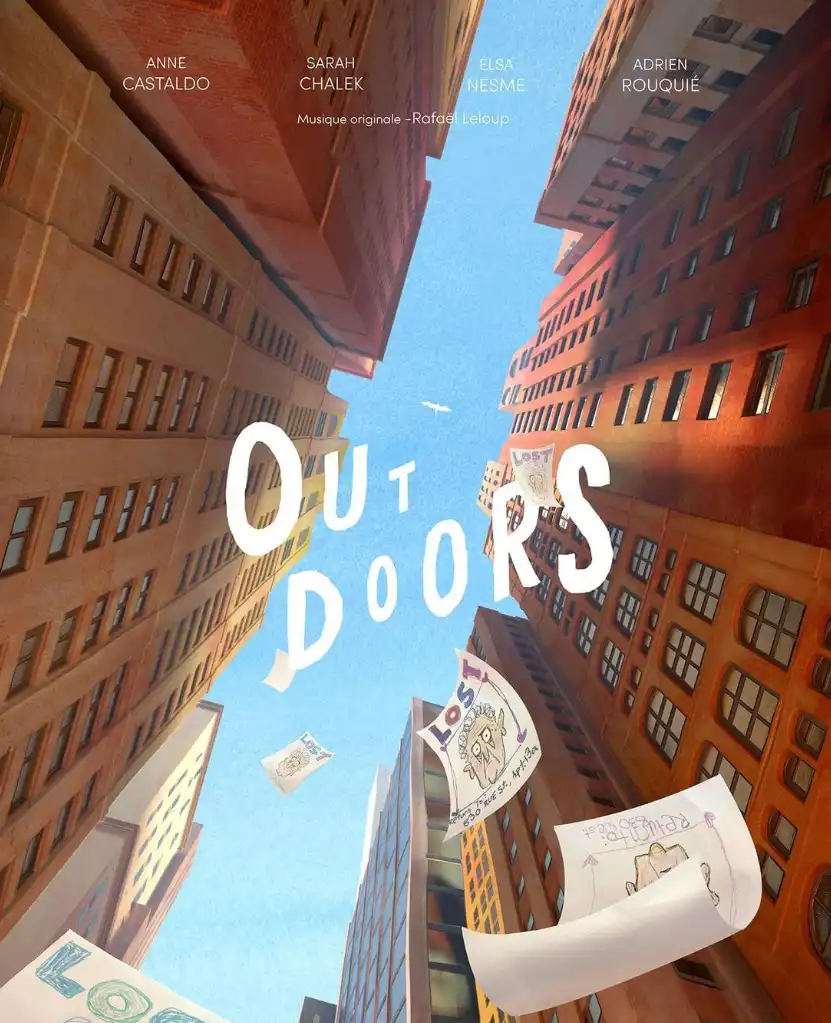
How Anne Castaldo, Sarah Chalek, and Elsa Nesme Created One of the Most Human Animated Shorts of the Decade
Independent animated short films often achieve emotional depth that larger commercial productions struggle to capture. Outdoors (2017), directed by Anne Castaldo, Sarah Chalek, and Elsa Nesme, is a powerful example of minimalist storytelling executed with artistic precision. Through restrained animation, observational pacing, and emotionally grounded visual language, the short film explores isolation, routine, emotional vulnerability, and humanity’s fading relationship with the natural world.
For viewers wondering whether Outdoors (2017) is worth watching, the answer is unquestionably yes — particularly for audiences interested in independent animation, festival cinema, emotionally intelligent storytelling, and visually driven short films. Despite its short runtime, the film communicates ideas with remarkable clarity and emotional authenticity.
More importantly, Outdoors succeeds because it understands a key principle of animation storytelling: emotional honesty matters more than scale. Instead of relying on spectacle or exaggerated drama, the film uses silence, environmental contrast, and subtle character behavior to create emotional resonance that lingers long after the credits end.
What Is Outdoors (2017) About?
Outdoors (2017) animated short film is an independent animated short film directed by Anne Castaldo, Sarah Chalek, and Elsa Nesme. The story focuses on emotional isolation and the disconnect between modern indoor living and the natural environment.
Rather than presenting a traditional plot-driven structure, the film unfolds through atmosphere, observation, and emotional progression. The narrative follows characters navigating repetitive routines and enclosed spaces while gradually reconnecting with outdoor environments that symbolize freedom, reflection, and emotional openness.
The film communicates much of its meaning through:
- Environmental composition
- Color contrast
- Minimal dialogue
- Sound design
- Character movement
- Symbolic imagery
This visual-first approach places Outdoors within a growing category of emotionally mature animated shorts that prioritize atmosphere and psychological realism over conventional storytelling formulas.
Quick Review Summary
| Category | Evaluation |
|---|---|
| Animation Style | Excellent |
| Emotional Depth | Outstanding |
| Visual Storytelling | Exceptional |
| Sound Design | Excellent |
| Accessibility | Strong |
| Dialogue Efficiency | Minimal but Effective |
| Overall Recommendation | Highly Recommended |
Why Outdoors (2017) Works So Well
1. The Film Trusts Visual Storytelling
One of the strongest qualities of Outdoors is its confidence in nonverbal communication.
Many modern animated productions rely heavily on exposition, rapid dialogue, or constant emotional explanation. Outdoors moves in the opposite direction. The film trusts viewers to observe emotional meaning through visual language.
This includes:
- Body posture
- Environmental spacing
- Repetitive movement patterns
- Framing choices
- Lighting shifts
- Silent pauses
This storytelling style reflects advanced animation discipline because visual storytelling is often more difficult than dialogue-driven exposition. Every frame must communicate emotional information clearly without becoming overly abstract.
The directors demonstrate strong understanding of cinematic restraint.
For example, confined indoor spaces are frequently framed with tight compositions and limited movement, creating emotional claustrophobia. In contrast, outdoor environments feel visually expansive and psychologically liberating.
This contrast reinforces the film’s central emotional message without explicitly stating it.
2. Emotional Realism Feels Authentic
A major reason Outdoors resonates emotionally is because the film captures experiences that feel psychologically recognizable.
The emotional themes reflect real-world modern conditions such as:
- Urban isolation
- Emotional fatigue
- Routine-driven living
- Social disconnection
- Reduced engagement with natural environments
Importantly, the film never becomes melodramatic.
Instead, it observes emotional exhaustion quietly and naturally. This restraint gives the film greater authenticity than many louder, more overtly emotional animated works.
Viewers who have experienced repetitive work-life routines, emotional burnout, or disconnection from nature often recognize themselves in the film’s atmosphere and pacing.
The Animation Style Is Simple but Sophisticated
Independent animated shorts frequently work with limited budgets compared to large studio productions. However, limited resources can encourage stronger artistic discipline.
Outdoors demonstrates this clearly.
Rather than pursuing hyper-detailed realism, the animation style emphasizes:
- Controlled simplicity
- Soft environmental textures
- Muted color palettes
- Natural movement timing
- Atmospheric composition
This artistic restraint supports the emotional tone perfectly.
The directors understand that visual overload would weaken the film’s reflective atmosphere.
The result is an animation style that feels intimate rather than performative.
Themes Explored in Outdoors (2017)
Isolation in Contemporary Life
One of the film’s strongest themes is emotional isolation within modern environments.
The characters appear physically surrounded by structures and routines yet emotionally disconnected from meaningful experience.
This reflects broader social conversations associated with:
- Urban living
- Screen-centered lifestyles
- Emotional fatigue
- Loss of environmental connection
The film visualizes these conditions rather than explaining them directly.
Examples include:
- Repetitive movement cycles
- Confined architecture
- Reduced natural color presence
- Emotional distance between characters
This subtle storytelling approach allows audiences to interpret the themes personally.
Nature as Emotional Recovery
The title Outdoors functions both literally and symbolically.
Outdoor environments in the film represent:
- Emotional openness
- Freedom from routine
- Sensory reconnection
- Psychological calm
- Human vulnerability
In environmental psychology research, exposure to natural environments has been associated with reduced stress, improved emotional regulation, and cognitive restoration. While Outdoors is not an educational film, it reflects these emotional realities artistically.
The film suggests that reconnecting with physical environments can also reconnect individuals with themselves emotionally.
This interpretation gives the short film unusual thematic maturity.
Sound Design Plays a Critical Role
The sound design in Outdoors is exceptionally disciplined.
Unlike many animated productions that rely heavily on continuous musical scoring, the film often allows ambient sound to guide emotional pacing.
Examples include:
- Wind textures
- Environmental silence
- Room tone
- Outdoor ambience
- Soft movement sounds
These audio choices create immersion while reinforcing emotional states.
In professional film analysis, this is often described as atmospheric storytelling, where sound itself becomes narrative structure.
The restraint shown in the sound mix demonstrates advanced creative confidence.
Cinematography and Composition in Animation
Although animation does not involve physical cameras, cinematography principles remain essential.
Outdoors uses visual composition with remarkable intelligence.
Effective Techniques Include:
- Wide environmental framing
- Controlled negative space
- Slow pacing
- Balanced visual weight
- Spatial isolation
Negative space is especially important.
In visual storytelling theory, negative space can communicate:
- Loneliness
- Vulnerability
- Reflection
- Emotional emptiness
The film repeatedly places characters within large, quiet spaces where their physical smallness reflects emotional distance.
This approach creates emotional scale without requiring dialogue.
Color and Lighting Analysis
Color progression throughout Outdoors subtly mirrors emotional transformation.
Early Visual Tone
- Cooler grays
- Reduced saturation
- Indoor artificial lighting
- Visual rigidity
Later Visual Tone
- Warmer outdoor lighting
- Expanded environmental colors
- Softer visual contrast
- More organic movement
These transitions influence viewers psychologically, even when processed subconsciously.
Animation scholars and visual designers frequently use color progression to reinforce emotional arcs, and Outdoors applies this technique exceptionally well.
Why Outdoors Matters in Modern Animation
The importance of films like Outdoors has grown significantly in the streaming and festival era.
Historically, animated shorts were often treated as experimental projects or technical showcases. However, contemporary short-form animation increasingly serves as a platform for emotionally mature storytelling.
Independent animated shorts now regularly explore themes such as:
- Mental fatigue
- Loneliness
- Climate anxiety
- Emotional recovery
- Identity
- Human vulnerability
Outdoors belongs to this modern movement of emotionally reflective animation.
Its success demonstrates that animation is not limited to children’s entertainment or commercial spectacle. Instead, animation can function as one of cinema’s most emotionally nuanced artistic forms.
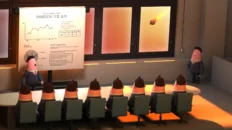


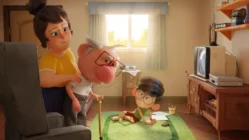
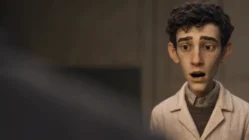
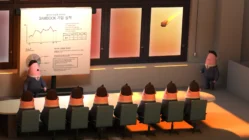


Outdoors is a quietly powerful animated short that explores emotional isolation and humanity’s connection to nature through minimalist storytelling and atmospheric visuals. Directed by Anne Castaldo, Sarah Chalek, and Elsa Nesme, the film relies on subtle animation, environmental sound design, and reflective pacing rather than heavy dialogue. Despite its short runtime, Outdoors delivers remarkable emotional depth and visual intelligence. The restrained direction and symbolic imagery create an intimate viewing experience that feels both personal and universally relatable. For audiences interested in thoughtful independent animation and emotionally driven short films, Outdoors (2017) remains a beautifully crafted and emotionally resonant work worth discovering.