








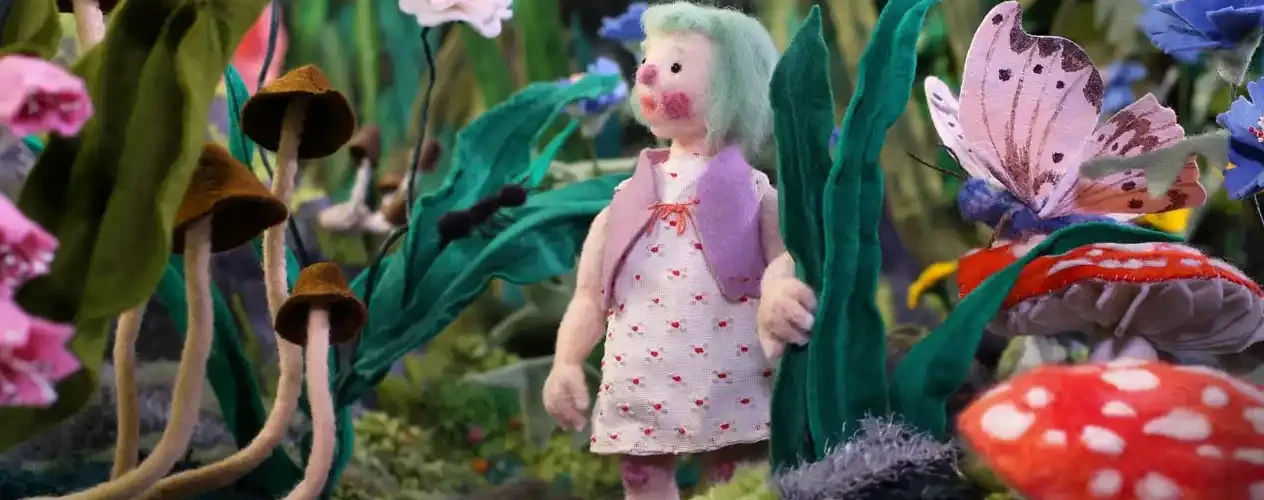

What is Tulip by Andrea Love about? Tulip by Andrea Love is a handcrafted stop-motion short film exploring themes of emotional healing, vulnerability, growth, and human connection through symbolic visual storytelling and minimalist animation techniques.
cMovie.Asia
In an era dominated by high-budget CGI animation and fast-paced digital storytelling, Andrea Love’s Tulip stands out as a deeply intimate and emotionally resonant short film. Through handcrafted stop-motion artistry, tactile textures, and understated storytelling, Tulip demonstrates how minimalist filmmaking can communicate profound emotional truths more effectively than spectacle-driven cinema.
For viewers searching for an explanation, review, or thematic analysis of Tulip, the short film succeeds because it transforms ordinary emotional experiences — grief, change, solitude, healing, and memory — into visual language. Rather than relying heavily on dialogue, Andrea Love uses movement, fabric textures, natural symbolism, and careful pacing to create an experience that feels both personal and universally relatable.
The result is a short film that resonates long after its runtime ends.
Table of Contents
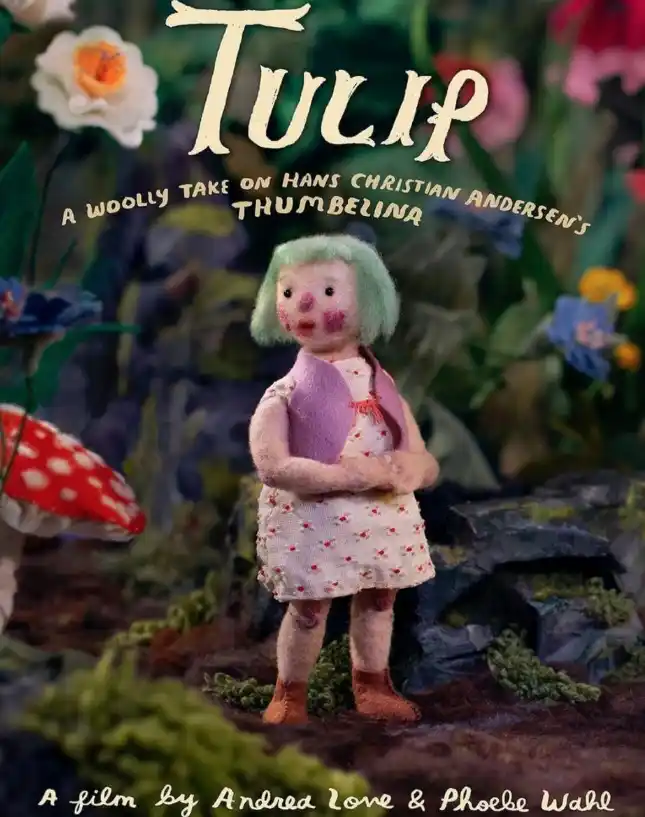
What Is Tulip by Andrea Love About?
Tulip is a stop-motion animated short centered around emotional transformation and quiet human vulnerability. While interpretations vary depending on the viewer, the film broadly explores themes of:
- emotional growth,
- personal healing,
- impermanence,
- loneliness,
- and reconnection with life.
The narrative unfolds gently rather than conventionally. Instead of presenting a straightforward plot with exposition-heavy dialogue, Tulip communicates meaning visually and symbolically.
This artistic approach allows audiences to emotionally engage with the film rather than simply observe it.
Andrea Love’s Signature Stop-Motion Style
One of the defining features of Andrea Love’s work is her handcrafted animation technique.
Unlike mainstream digital animation pipelines, Love uses:
- wool felting,
- textile materials,
- miniature handcrafted environments,
- practical stop-motion photography,
- and frame-by-frame physical animation.
This tactile approach creates warmth and authenticity rarely found in modern animation.
Why the Visual Style Matters
The soft textures and imperfect handcrafted details reinforce the film’s emotional themes.
In animation theory, texture often affects emotional perception. Smooth digital surfaces can create emotional distance, while tactile handcrafted materials tend to produce:
- intimacy,
- nostalgia,
- warmth,
- and psychological comfort.
Andrea Love leverages this principle exceptionally well in Tulip.
Themes and Symbolism in Tulip
1. Growth Through Fragility
The tulip itself functions as a central symbolic device.
In visual storytelling, flowers frequently represent:
- renewal,
- impermanence,
- emotional vulnerability,
- and cycles of life.
The tulip’s delicate nature mirrors the emotional state of the protagonist. Rather than portraying healing as dramatic transformation, the film suggests growth occurs quietly and gradually.
This subtle thematic execution gives the short film exceptional emotional realism.
2. Silence as Emotional Language
One of the film’s most powerful creative decisions is its restrained use of dialogue.
Silence in cinema can function as:
- emotional space,
- reflective pause,
- tension-building,
- or internal storytelling.
Andrea Love uses silence not as absence, but as communication.
The audience is encouraged to interpret:
- facial expressions,
- movement rhythms,
- environmental changes,
- and symbolic imagery.
This technique creates a more immersive emotional experience.
3. Nature as Psychological Reflection
The film repeatedly connects emotional states with natural imagery.
Examples include:
- plant movement,
- lighting transitions,
- changing textures,
- seasonal symbolism,
- and spatial composition.
This visual language reflects a long-standing cinematic tradition where environments mirror internal emotional conditions.
The technique is especially effective in short-form storytelling because it compresses emotional meaning into visual cues rather than exposition.
Emotional Impact and Viewer Experience
What separates Tulip from many short animated films is its emotional restraint.
The film does not manipulate audiences with exaggerated sentimentality or melodramatic music cues. Instead, it trusts viewers to emotionally interpret subtle moments.
This creates a more authentic emotional response.
Many viewers describe experiencing:
- calm reflection,
- quiet sadness,
- emotional comfort,
- nostalgia,
- or hopeful melancholy after watching the film.
That emotional aftereffect is a hallmark of successful minimalist storytelling.
The Importance of Handcrafted Animation in Modern Cinema
In 2026, animation technology increasingly prioritizes speed, automation, and photorealistic rendering. Tulip represents the opposite philosophy.
Andrea Love’s process emphasizes:
- patience,
- manual craftsmanship,
- material imperfection,
- and artistic intentionality.
This matters culturally because handcrafted stop-motion preserves a distinctly human quality often absent in algorithmically optimized digital content.
Why Audiences Still Respond to Stop-Motion
Research in visual psychology suggests audiences often perceive stop-motion animation as:
- more personal,
- more emotionally authentic,
- and more artistically intimate.
This occurs because viewers subconsciously recognize physical materials and real-world imperfections.
In Tulip, those imperfections become emotional strengths.
Cinematography and Visual Composition
Despite its small scale, Tulip demonstrates highly sophisticated visual direction.
Key cinematic techniques include:
- shallow depth of field,
- naturalistic lighting,
- controlled color palettes,
- soft-focus transitions,
- and balanced frame composition.
The cinematography intentionally slows viewer perception, encouraging contemplation instead of overstimulation.
This slower pacing contrasts sharply with mainstream short-form digital media trends.
Sound Design and Music
The sound design in Tulip is remarkably delicate.
Instead of overwhelming the viewer with orchestral intensity, the audio remains restrained and atmospheric.
Subtle sounds such as:
- fabric movement,
- environmental ambience,
- gentle room tone,
- and quiet musical phrasing
enhance immersion without distracting from the visuals.
This minimalist audio strategy supports the film’s meditative atmosphere.
Why Tulip Resonates in the Social Media Era
Modern online media environments prioritize:
- speed,
- shock value,
- rapid editing,
- and constant stimulation.
Tulip deliberately resists these patterns.
Its slower rhythm encourages:
- emotional reflection,
- patience,
- and focused observation.
This makes the film feel refreshing in contemporary digital culture.
Rather than competing for attention through intensity, it earns attention through sincerity.
Critical Strengths of Tulip
What Works Exceptionally Well
Emotional Authenticity
The film avoids emotional manipulation and instead creates genuine emotional resonance.
Visual Craftsmanship
Every frame reflects careful manual artistry.
Symbolic Storytelling
The symbolism remains accessible without becoming overly abstract.
Universal Themes
The emotional themes transcend language and cultural boundaries.
Potential Limitations for Some Viewers
Slow Pacing
Viewers accustomed to fast-paced animation may initially find the film quiet or understated.
Interpretive Storytelling
Because the narrative relies heavily on symbolism, audiences seeking explicit explanations may find aspects ambiguous.
However, this ambiguity is also part of the film’s artistic strength.
Final Review — A Beautifully Human Short Film
Tulip proves that animation does not require spectacle to create emotional impact.
Andrea Love’s handcrafted stop-motion approach transforms simple imagery into deeply affecting cinematic language. Through delicate textures, symbolic storytelling, and emotional restraint, the film captures experiences that many viewers recognize but rarely see portrayed authentically on screen.
In a digital era increasingly dominated by speed and algorithmic content design, Tulip feels quietly radical.
It reminds audiences that stillness, fragility, and craftsmanship remain powerful storytelling tools.
For viewers seeking thoughtful animation, emotional subtlety, and visually poetic filmmaking, Tulip is one of the most memorable independent short films of recent years.








Tulip is a beautifully handcrafted stop-motion short film that quietly explores themes of healing, loneliness, and emotional growth. Using soft needle-felt animation and minimal dialogue, Andrea Love creates an intimate atmosphere filled with warmth and subtle emotion.
Rather than relying on dramatic storytelling, Tulip communicates through visual symbolism, gentle pacing, and tactile textures that make every frame feel personal and human. The film’s delicate animation style enhances its emotional depth, allowing viewers to connect with its themes in a natural and reflective way.
What makes Tulip stand out is its emotional restraint. It never forces sentimentality, yet leaves a lasting emotional impression through simplicity and craftsmanship. In an era dominated by fast digital content, the short film feels refreshingly sincere and artistically authentic.
For audiences who appreciate thoughtful independent animation and poetic visual storytelling, Tulip is a quiet but memorable achievement in modern stop-motion filmmaking.