








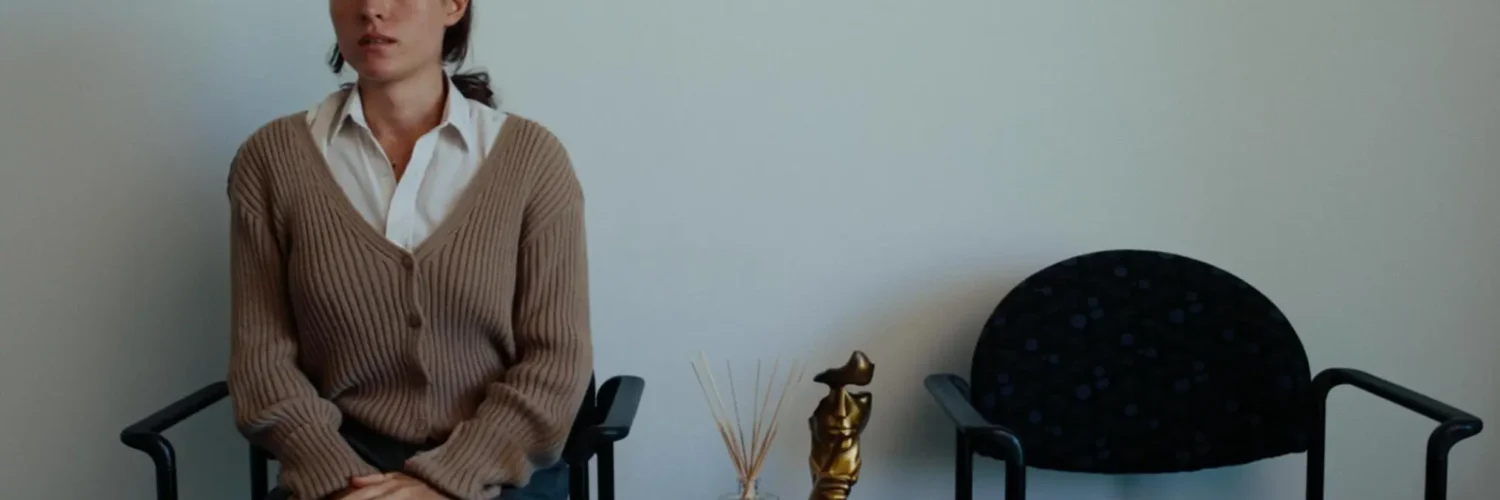

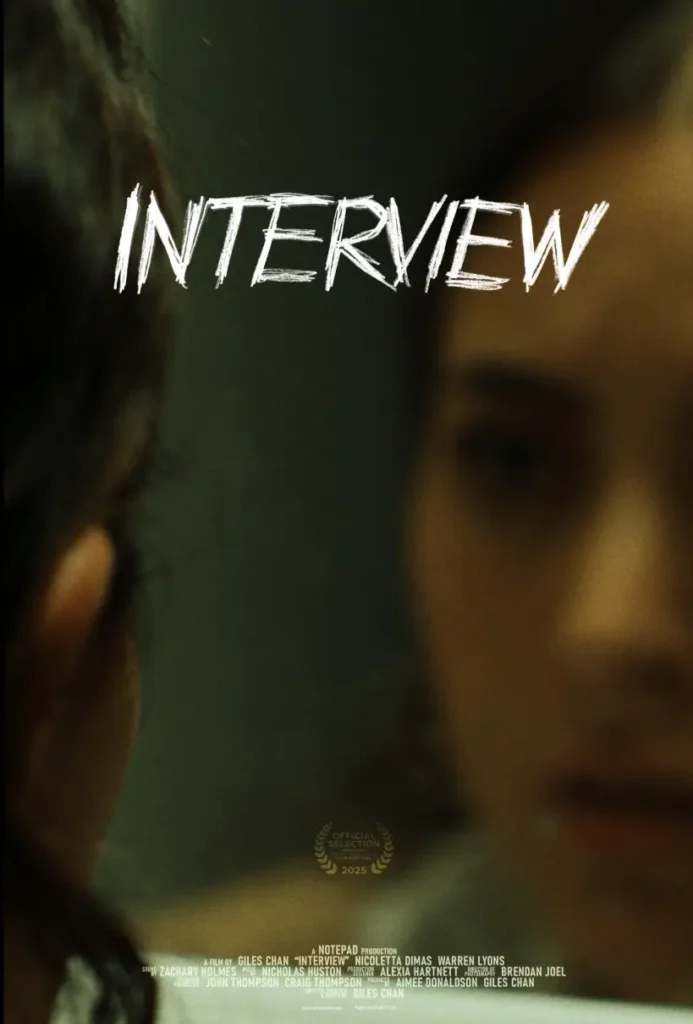
INTERVIEW (2025) is an Australian psychological horror short film directed by Giles Chan that transforms a routine job interview into a tense exploration of anxiety, identity, and corporate pressure. Its minimalist storytelling, powerful performances, and unsettling atmosphere make it one of the year’s most memorable independent short films.
cMovie.Asia
INTERVIEW (2025) Review explores how filmmaker Giles Chan turns an everyday job interview into a gripping psychological horror experience. Rather than relying on traditional scares, the film builds relentless tension through silence, emotional pressure, and sharp social commentary on modern work culture. With exceptional performances and minimalist filmmaking, INTERVIEW (2025) stands out as one of the most compelling Australian psychological short films of 2025.
Table of Contents
Quick Facts
| Category | Details |
|---|---|
| Title | INTERVIEW |
| Year | 2025 |
| Director | Giles Chan |
| Writer | Giles Chan |
| Country | Australia |
| Runtime | Approximately 15 minutes |
| Genre | Drama, Psychological Thriller |
| Language | English |
| Starring | Nicoletta Dimas, Warren Lyons, Sharnya Yates Thomson |
Story Overview
Connie desperately needs a job.
Like countless applicants entering interview rooms every day, she arrives hopeful but anxious. However, as the interview unfolds, ordinary corporate questions gradually become increasingly disturbing.
Reality and paranoia begin to blur.
The interview room transforms from a professional setting into something much darker, forcing Connie—and the audience—to question whether the danger is external or entirely psychological.
Rather than relying on jump scares, the film slowly tightens the tension until every silence feels threatening.
Giles Chan’s Greatest Strength: Building Anxiety
Many psychological thrillers begin with shocking events.
INTERVIEW chooses a different path.
It starts with complete normality.
Every awkward pause.
Every forced smile.
Every corporate phrase.
Every uncomfortable glance.
These familiar moments become increasingly unsettling because Chan understands that audiences already associate interviews with fear.
Instead of inventing terror, he amplifies emotions viewers have already experienced.
The result feels authentic rather than theatrical.
A Critique of Modern Work Culture
Beneath its thriller surface lies an intelligent social commentary.
Director Giles Chan has explained that the inspiration came from his own experiences navigating numerous job interviews when he was younger.
He became fascinated by the strange process of “selling yourself” like a commercial product before even fully understanding who you are.
That uncomfortable contradiction forms the emotional core of the film.
The interview becomes symbolic of:
- Loss of personal identity
- Corporate dehumanization
- Economic insecurity
- Self-worth tied to employment
- The pressure to perform authenticity
Rather than delivering these ideas through dialogue, the film lets viewers experience them emotionally.
Outstanding Performances
Nicoletta Dimas carries nearly every frame.
Her performance avoids melodrama, choosing subtle facial expressions, hesitant speech, and restrained body language that perfectly communicate overwhelming anxiety.
The supporting cast complements her performance by maintaining an unsettling emotional distance.
Nobody appears overtly villainous.
Instead, everyone feels professionally polite—which somehow makes everything even more uncomfortable.
Direction and Cinematography
One reason INTERVIEW succeeds is its visual restraint.
Rather than flashy camera tricks, Giles Chan uses:
- Tight close-ups
- Sterile office compositions
- Controlled lighting
- Minimalist production design
- Deliberate pacing
These techniques create an atmosphere that feels cold, clinical, and emotionally isolating.
The audience gradually feels trapped alongside Connie.
Sound Design Creates Invisible Fear
There are few loud moments.
Instead, subtle sound design does the heavy lifting.
Silence becomes oppressive.
Office ambience feels unnatural.
Music enters sparingly but effectively, increasing tension without overwhelming the story.
This restrained approach makes every uncomfortable moment linger longer than expected.
Themes Explored
Fear of Failure
The interview represents the terrifying possibility that one mistake could determine your future.
Identity as Performance
Applicants are expected to present polished versions of themselves rather than genuine personalities.
Capitalism and Survival
The film quietly asks whether employment has become less about work and more about personal sacrifice.
Psychological Isolation
Connie appears increasingly alone despite never physically leaving the room.
Festival Reception
INTERVIEW premiered at the Revelation Perth International Film Festival in July 2025 before appearing at additional Australian festivals, including Rock The Boat Film Festival.
Early audience reactions praised:
- Exceptional suspense
- Strong performances
- Intelligent social commentary
- Effective atmosphere
- Professional cinematography
Many viewers described the film as surprisingly tense despite its simple premise.
What Works Best
✅ Excellent slow-building suspense
✅ Strong central performance
✅ Intelligent screenplay
✅ Effective visual storytelling
✅ Memorable social commentary
Minor Limitations
The film’s greatest strength—its ambiguity—may also frustrate viewers seeking clear explanations.
Some audiences may wish the story explored its central mystery further, although its open-ended nature encourages discussion long after the credits roll.
Final Verdict
INTERVIEW (2025) demonstrates that compelling psychological horror doesn’t require elaborate settings or supernatural creatures.
Instead, Giles Chan transforms one of modern life’s most ordinary experiences into an emotionally exhausting thriller that reflects contemporary anxieties about work, identity, and survival.
Its concise runtime never wastes a scene, allowing tension to escalate naturally while delivering thoughtful commentary beneath its suspenseful surface.
For fans of minimalist psychological cinema, INTERVIEW is a memorable reminder that sometimes the most frightening place is simply sitting across the table from someone deciding your future.
⭐ Rating: 4.5 / 5
Recommended For:
- Psychological thriller fans
- Australian independent cinema enthusiasts
- Short film lovers
- Workplace drama audiences
- Fans of slow-burn suspense







Add Short Film Review